Sapindus mukorossi Gaertn.
Vernacular name: Soapnut, Ritha, Chinese soap berry (Hindi: रीठा)
Species Name: Sapindus mukorossi Gaertn.
Family: Sapindaceae
Habit: Large deciduous tree
Stem: Straight trunk, smooth grey bark peeling in scales.
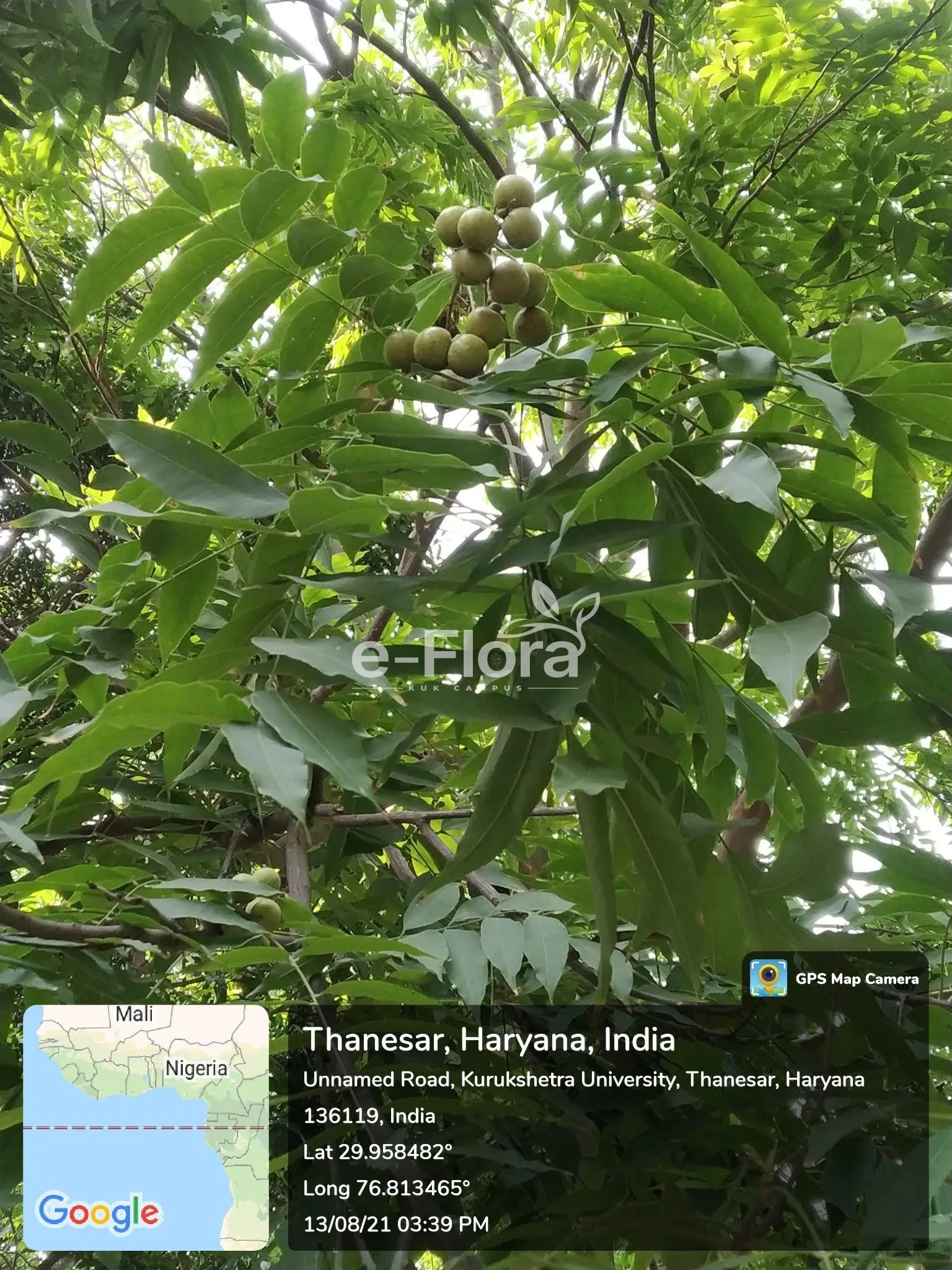
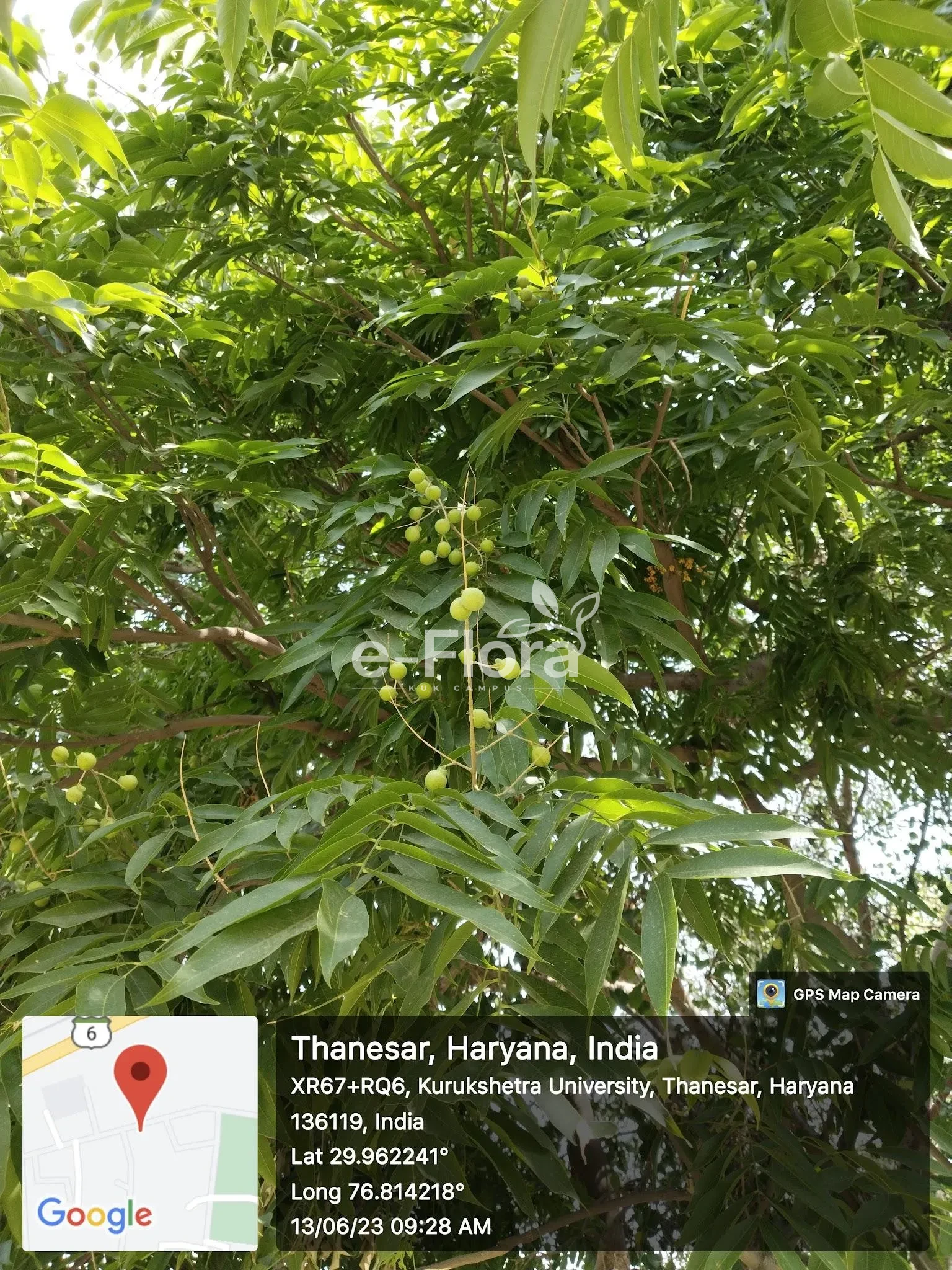
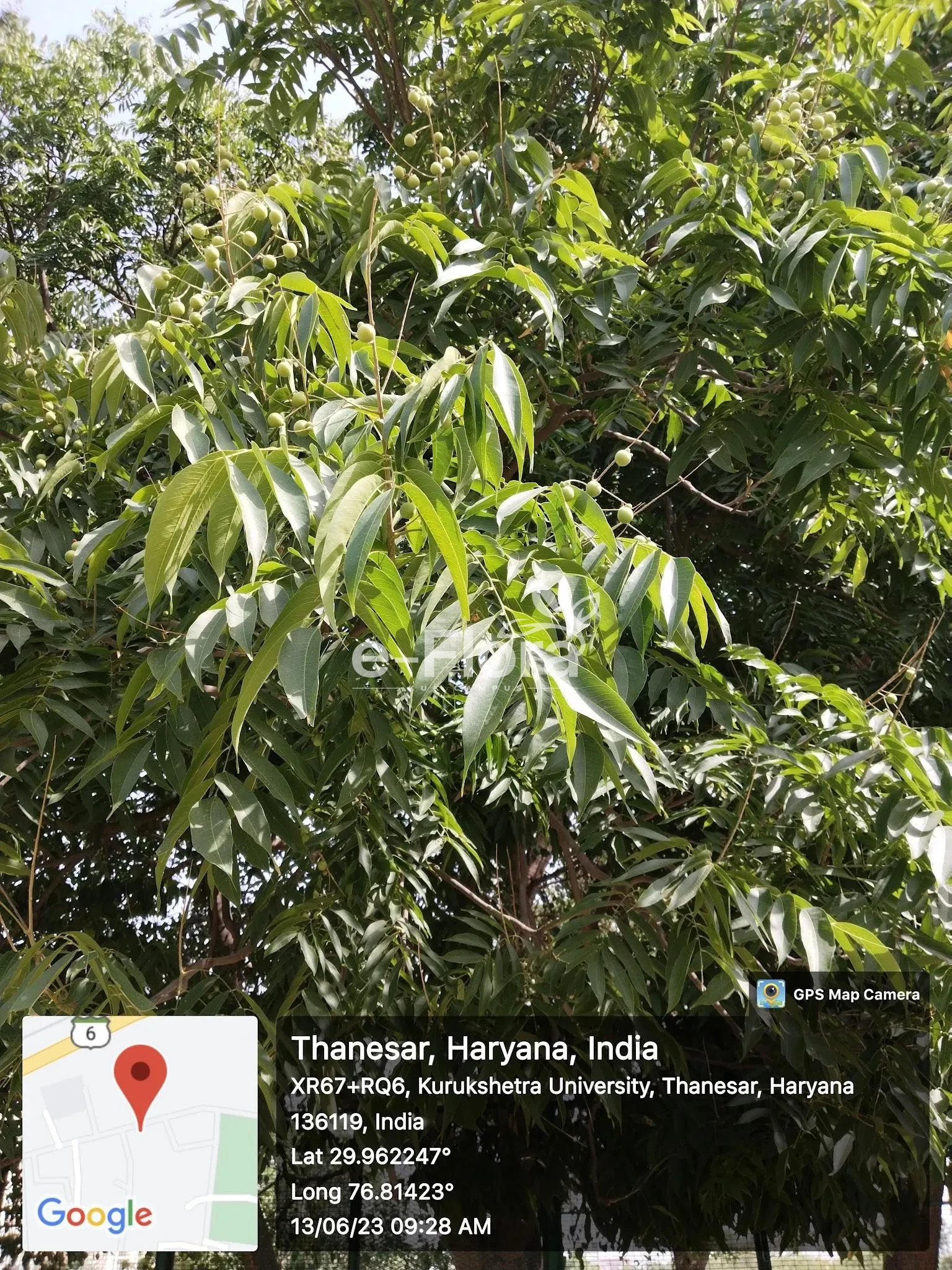
Leaf: Paripinnate, 5-10 pairs lanceolate leaflets
Flowering: May-June
Flowers: Terminal compound panicles; small greenish-white polygamous flowers; 5 sepals, 5 petals with woolly scales, 8 stamens, 3-celled superior ovary
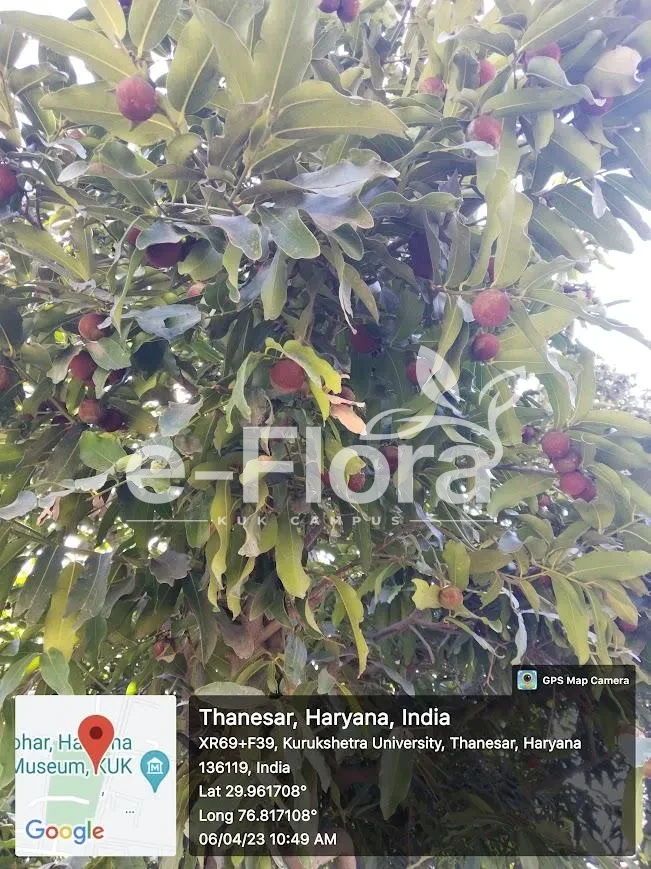
Fruit: Globose fleshy drupes (1-3 lobed), yellow ripening blackish-brown; single large smooth black seed
Uses:
- Saponins derived from plant have expectorant, emetic, anti-inflammatory properties.
- In ayurveda, plant is used in treatment of pimples, psoriasis and eczema.
- Seeds are powdered to manage dental problems and oil is extracted to treat epilepsy.
- Leaf extract is helpful in relieving joint pain and rheumatism.
- Plant is a lowland forests fauna that is drought-tolerant and also found from Himalayas to SE Asia.
- Reetha is extracted from plant is used as natural soap and shampoo for hair and scalp washing as it creates mild lather and clean without disturbing natural oil. Reetha is used to manage dandruff and provide shine to hair.
- Plant derivates can act as a soothing and non irritating wash for sensitive skin due to antibacterial properties and mild pH.
- Extracts from plants are used in herbal medicines to remove head lice and making herbal de-tan packs.
- Soapnuts directly and as whole can be used in washing machines as an alternative to detergents or nuts can be boiled to make a decoction that can be used floor and fabric (delicate) cleaner.
- Diluted soapnut liquid can be used to wash vegetables and fruits to remove insecticides.
- In India, plant is widely used to restore brightness and shine of tarnished silver and gold ornaments by jeweler.
- Biodieseal can be derived from the seed kernels of plant.
- Saponins helps in soil purification and conservation as it can remove arsenic (toxic) from iron rich soils.
- Hindu purification rituals; Mahabharata mentions; “Tree of the Gods”