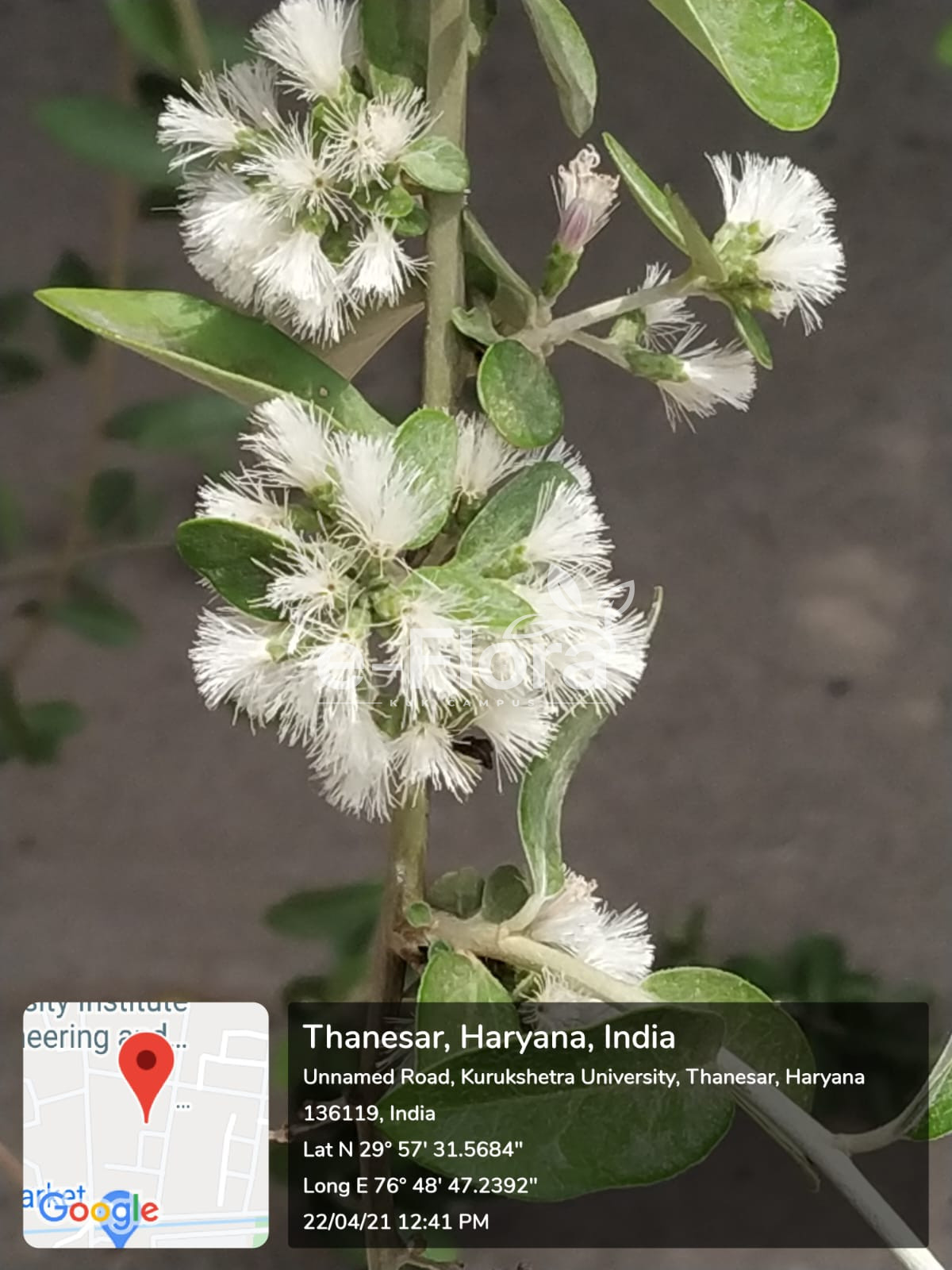
Tarlmounia elliptica (DC.) H.Rob., S.C.Keeley, Skvarla & R.Chan
Vernacular name: Curtain Creeper, Vernonia Creeper; Parda Bel (Hindi: पर्दा बेल), Curtain Plant
Species Name: Tarlmounia elliptica (DC.) H.Rob., S.C.Keeley, Skvarla & R.Chan (syn. Vernonia elliptica DC.; Vernonia elaeagnifolia DC.)
Family: Asteraceae (Compositae)
Habit: Evergreen climbing shrub, commonly cultivated as an ornamental foliage plant. It climbs with support and its long slender branches hang down over walls and fences giving a curtain-like appearance.
Stem: Slender, elongated, woody to semi-woody, branched and climbing; young stems are flexible and tend to hang down when they reach the top of a support.
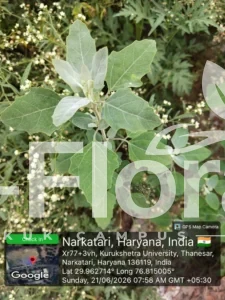
Leaf: Simple, alternate, elliptic to narrowly elliptic, entire, green and somewhat leathery; leaves are densely arranged along the long branches, producing an attractive curtain-like foliage.
Flowering: January–April
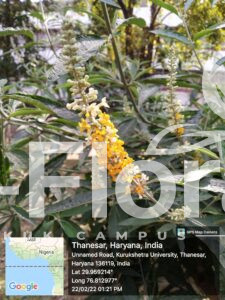
Flowers: Small, whitish to dirty-white, tubular and bisexual. Unlike typical daisies, the heads consist essentially of disc-type florets without showy ray florets. Inflorescence small capitula arranged in terminal panicles; the heads are few-flowered and may appear in clusters at the ends of branches.
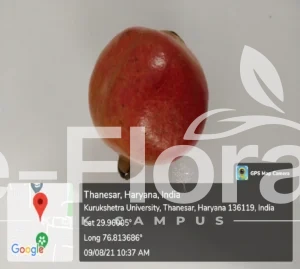
Fruit: Small achene (cypsela), angled and minutely glandular, with a pappus that assists in dispersal.
Uses:
- It is an ornamental creeper that creates a cascading green vertical curtain effect. It is used to drape boundary walls, balconies, building facades, railings, planted in gardens, patios, residential properties, arbors, pergolas, trellises, parks and resorts.
- It provides heavy shades and reduce heat absorption on exterior walls and lower the surrounding temperature.
- Small clusters of white to pinkish fragrant flowers attracts butterflies, bees and other beneficial insects.
- Its dense foliage captures dust and absorbs gaseous pollutant from air and improve air quality of surrounding area.
- Traditional practices uses plant as natural leech repellant.