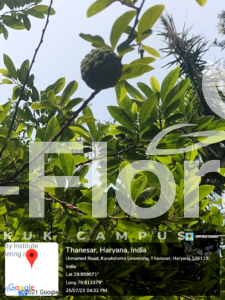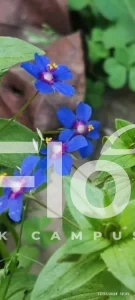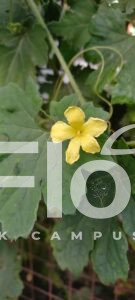
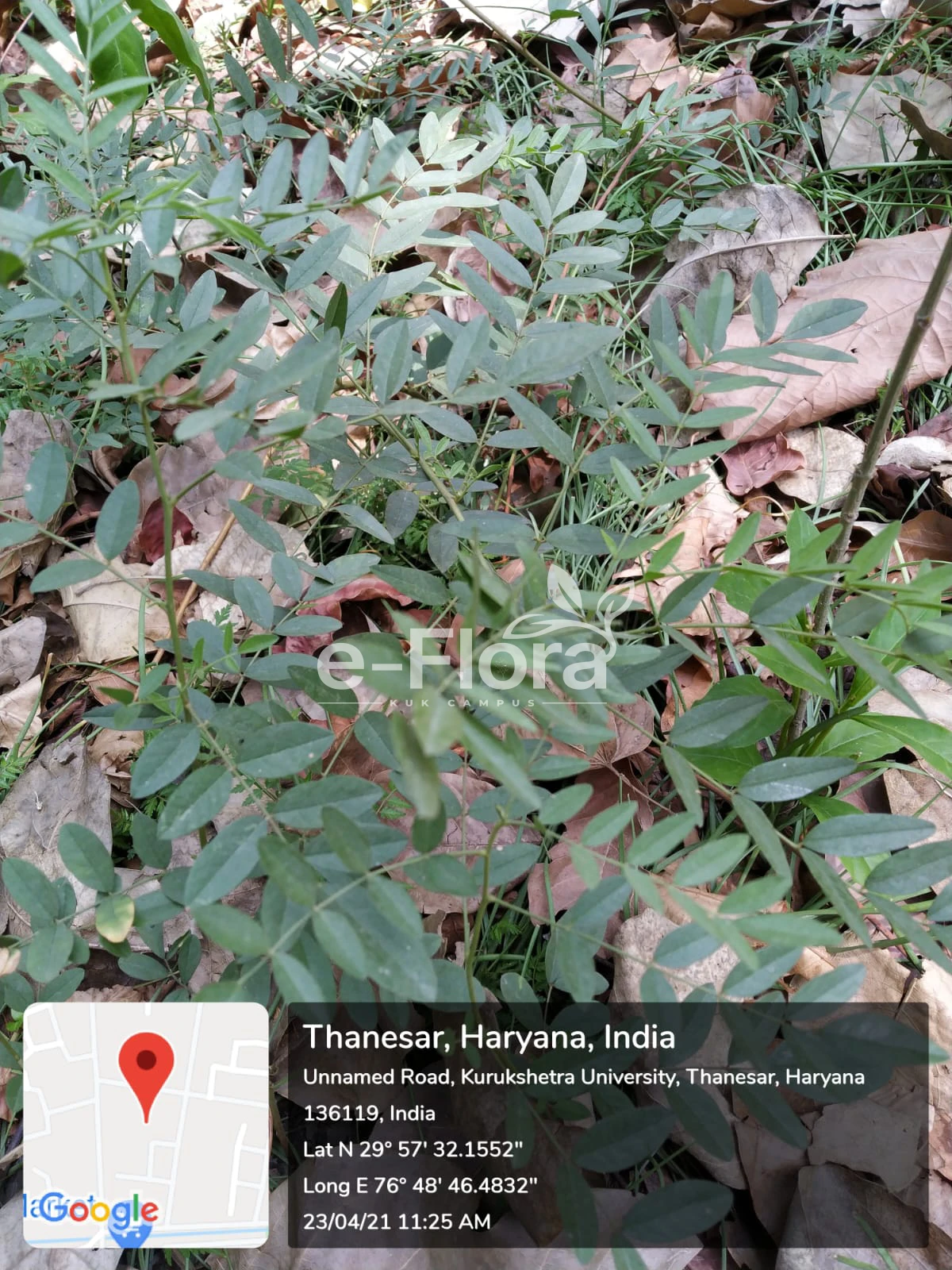
Glycyrrhiza glabra L.
Vernacular name: Liquorice, Mulethi
Species Name: Glycyrrhiza glabra L.
Family: Fabaceae
Habit: Perennial herb
Stem: Grows upto 1m tall
Leaf: Pinnate leaves, alternate leaflets, Oblong or lanceolate
Flowering: June-July
Flowers: Loose inflorescence, bisexual flowers, Purple or blue flowers,
Fruit: Oblong pod, containing several seeds
Uses:
- The plant root has a compound glycrrhizin making it act as a demulcent, mild expectorant and anti-inflammatory agent helping with congestion easing, loosening of mucus, soothing sore throat and bronchial catarrh
- An extract of the root provide relief in treating peptic and mouth ulcers, acid reflux and gastrointestinal inflammation.
- Plant can be used to manage live health and chronic hepatitis C.
- Root extracts can be applied externally to soothe skin issues like inflammation, itching, dryness and eczema.
- In traditional Chinese medicines, liquorice is commonly used in herbal formulae to “harmonise” the other ingredients in the formula and to carry the formula to the twelve “regular meridians” and to relieve a spasmodic cough.
- The flavor of liquorice comes mainly from a sweet-tasting compound called anethole, an aromatic, unsaturated ether compound.
- Additional sweetness in liquorice comes from glycyrrhizic acid, an anti-viral compound sweeter than sugar.
- Liquorice flavouring is also used in candies, soft drinks, and in some herbal teas where it provides a sweet aftertaste. The flavour is common in medicines to disguise unpleasant flavours.
- Liquorice is used to derive glabridin that is used in cosmetic industry to brighten skin and fade dark spots.