Ficus krishnae C.DC
Vernacular name: Krishna’s butter cup, makhan katori
Species Name: Ficus benghalensis L. var. krishnae C. DC.
Family: Moraceae
Habit: Evergreen tree
Stem: Aerial roots function as stem on reaching ground, dull white bark, distant horizontal wrinkles on trumk
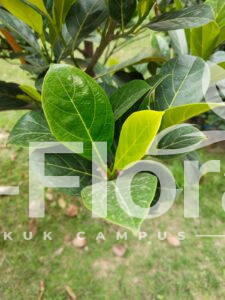
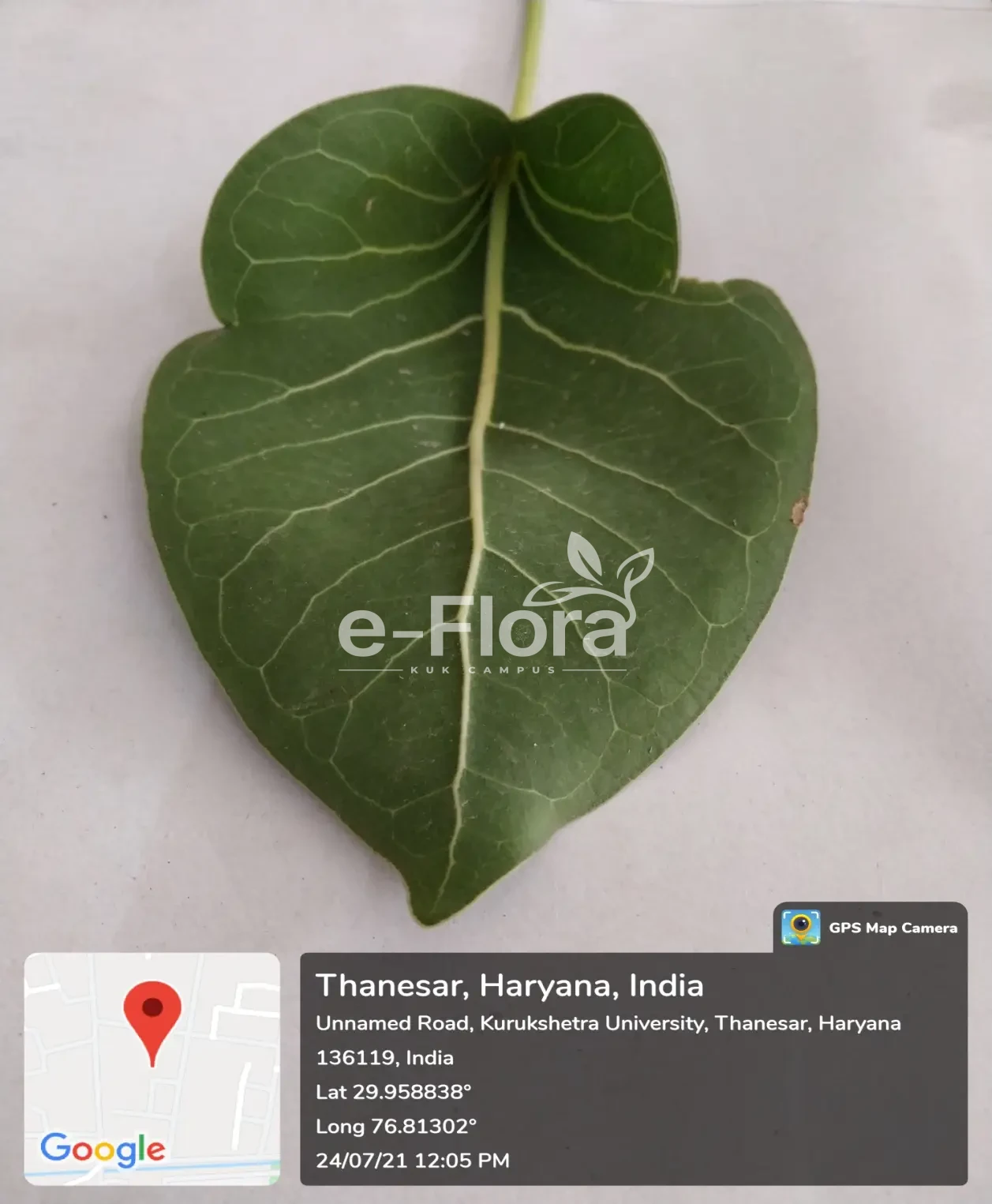
Leaf: The unique feature of the tree is that the leaves have a pocket-like fold at the base, Leaf stalks with a broad smooth greasy gland at the apex, compressed, downy
Flowering: October – April
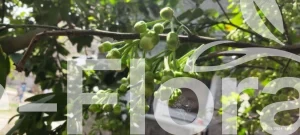
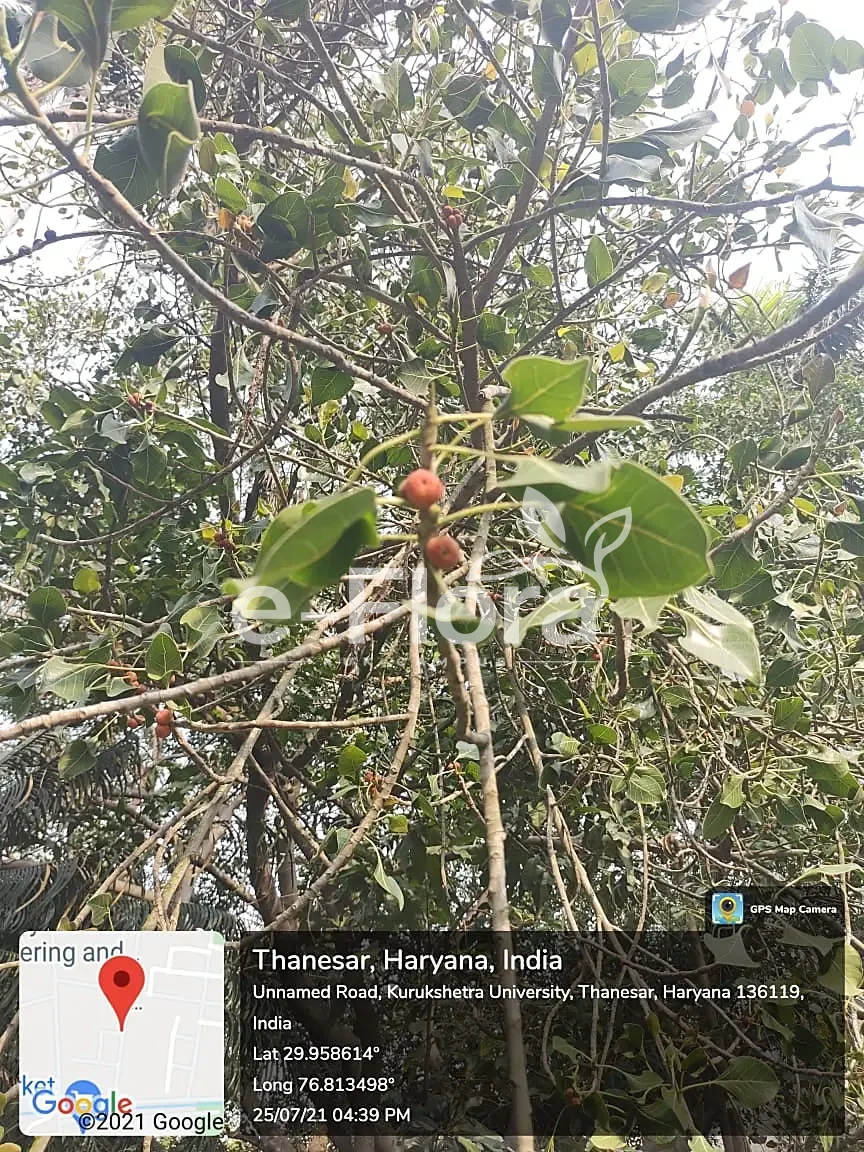
Flowers: Hypanthodium inflorescence, receptacles globose, pubescent, male flowers near the mouth, perianth 2-3 lobed, 1stamen, dorsifixed anthers; Gall flowers, sepals 4, short style, sessile, 3-4 tepals, long straight eccentric ovary
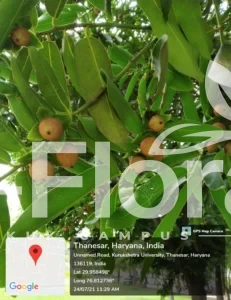
Fruit: Syconus, Globose, Red.
Uses
- Here is a mythological story of Krishna related to the leaves of this tree. The story goes that Lord Krishna was very fond of butter and would even steal it. Once when he was caught by his mother, Yashoda, he tried to hide the butter by rolling it up in a leaf of this tree. Since then, the leaves of these trees have retained this shape.
- It is widely planted as an ornamental and bonsai plant.
- In traditional medicines, all parts of tree is used to treat digestive issues like biliousness, ulcers, vomiting and dysentery.
- Tree is popularly used in folklore remedies to treat diseases like leprosy and syphilis.
- Aerial roots have styptic, anti-inflammatory and antipyretic properties.