Alstonia scholaris (L.) R.Br.
Vernacular name: Blackboard tree, Devil tree, Saptaparni (Hindi: सत्रपर्णी)
Species Name: Alstonia scholaris (L.) R.Br.
Family: Apocynaceae
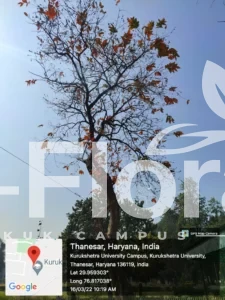
Habit: Evergreen tall tree
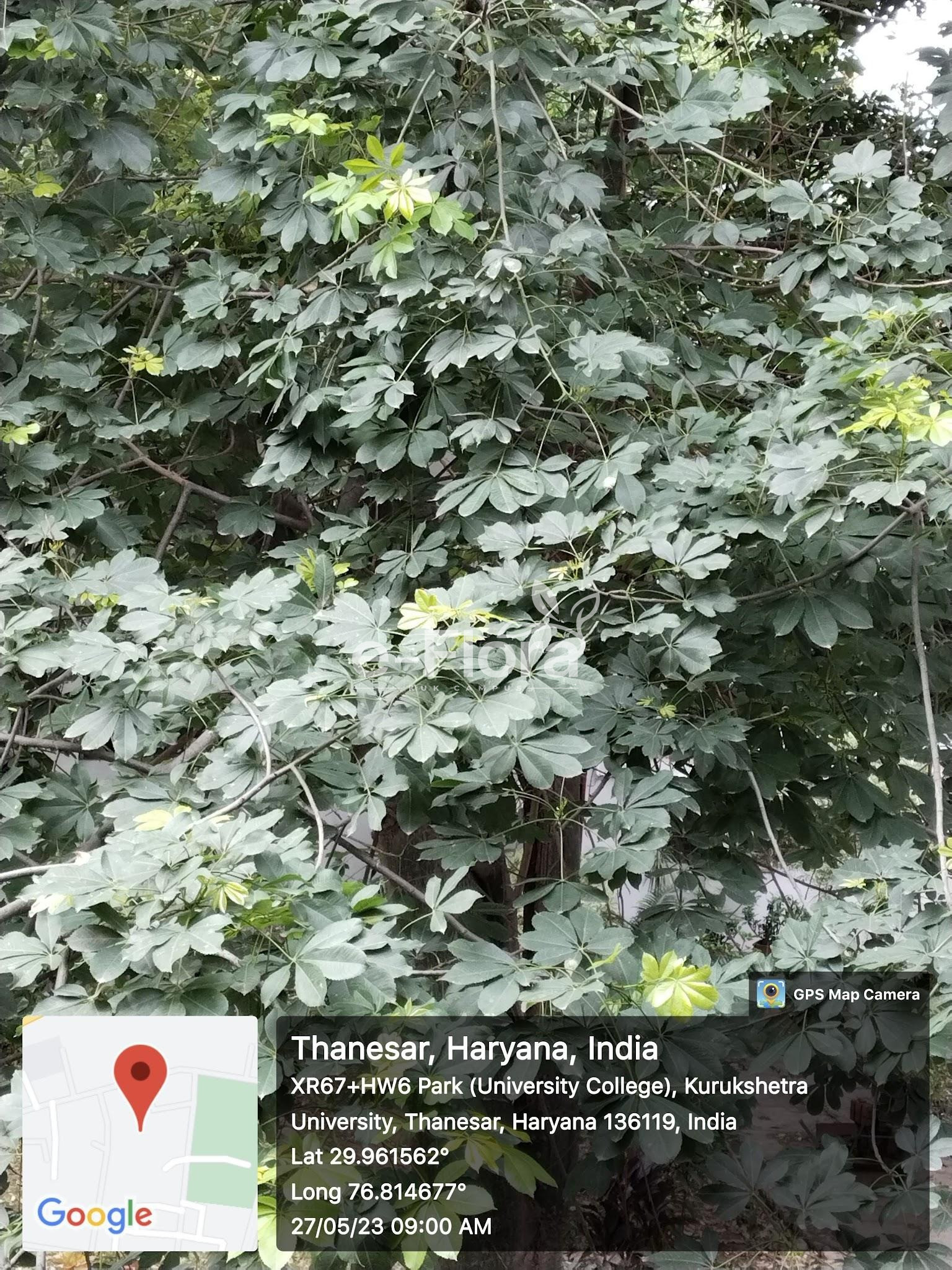
Stem: Straight trunk 20-40 m tall, greyish bark with bitter latex.
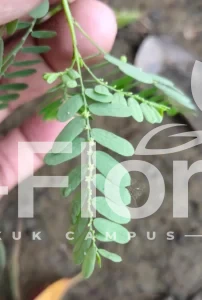
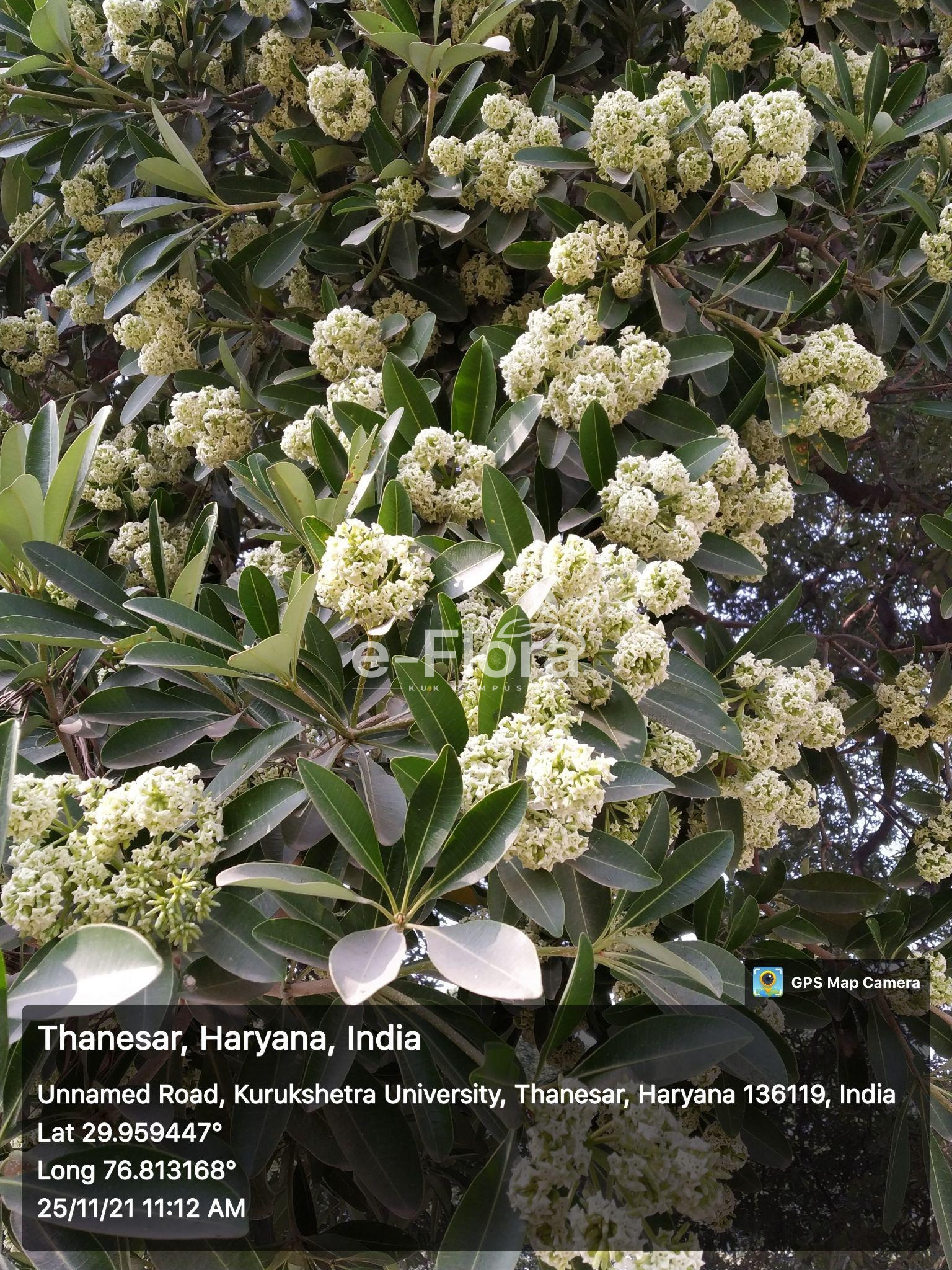
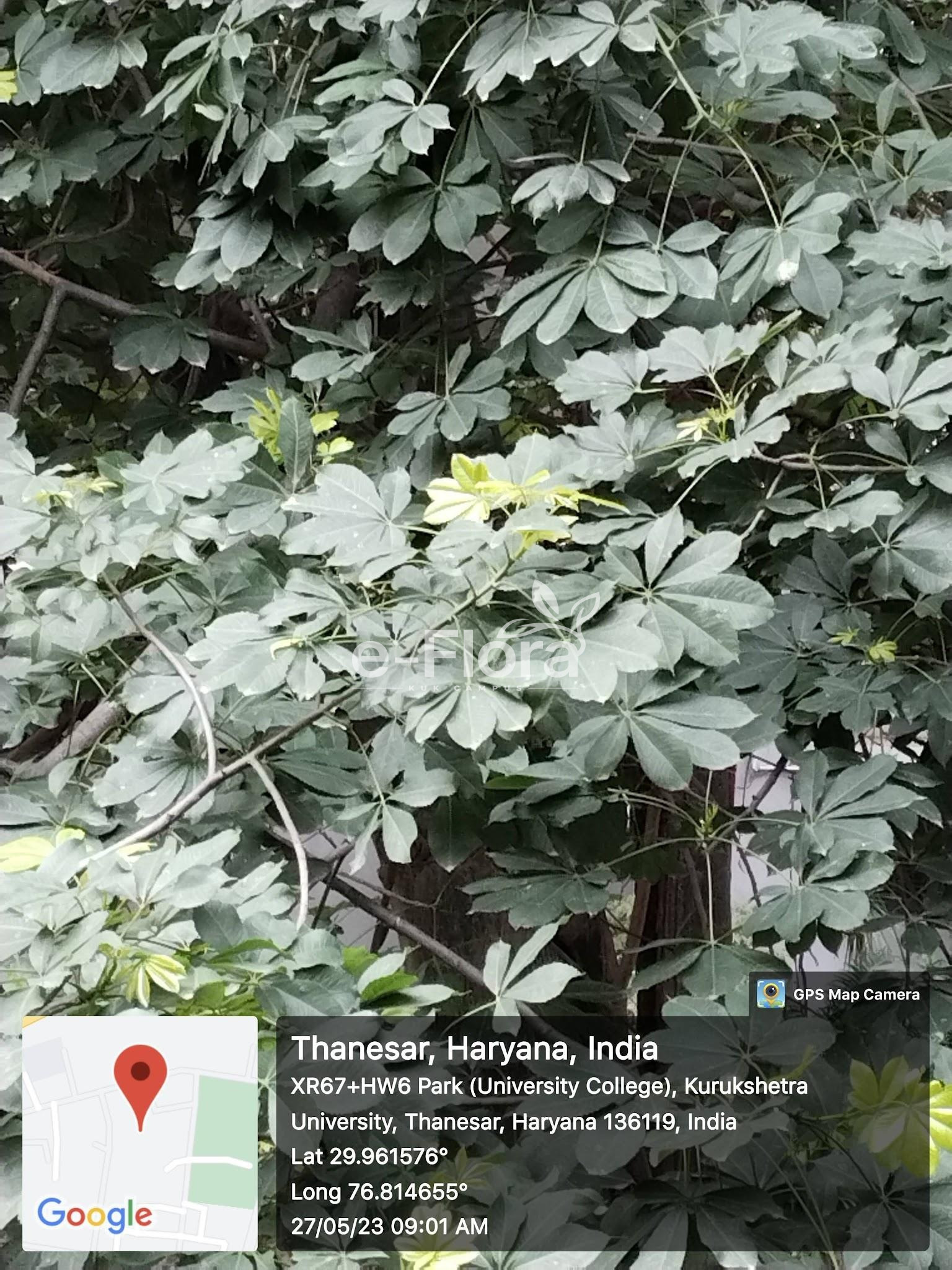
Leaf: Whorls of 5-8, obovate-lanceolate, 10-20 cm long, glossy green.
Flowering: September–November
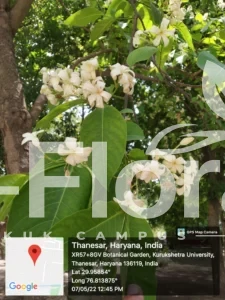
Flowers: Terminal and axillary panicles 10-15 cm long (thyrsoid paniculate inflorescence – compound panicle with cymes); small white fragrant, 5-lobed corolla, perfumed.
Fruit: Long slender follicle 30-60 cm × 1 cm, many flat seeds with coma.
Uses:
- Bark febrifuge is used for malaria.
- Latex of tree is used for wounds.
- Timber for blackboards, pencils.
- It is also known as shade tree.
- Ayurvedic Saptaparna (7 leaves) is used to reduce fever.
- Tribals use it as antimalarial in Odisha.
- Plant has anti-diabetic, antimicrobial and anti-inflammation properties.
- Bark extract are also used to treat intestinal infection, dysentery and malaria.
- Bark and latex paste is also used to treat eczema, scabies and some other skin infections.
- Plant has soothing properties and is used to manage cough with phlegm and asthma.
- Bark decoctions are used to stimulate production of breast milk.
- Plant can use organ toxicity if not used carefully.