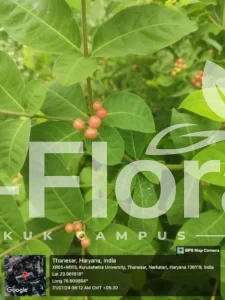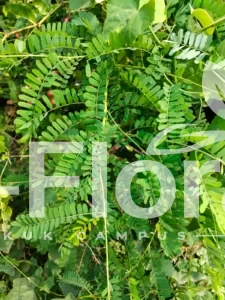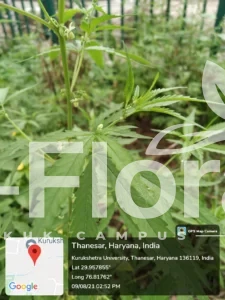
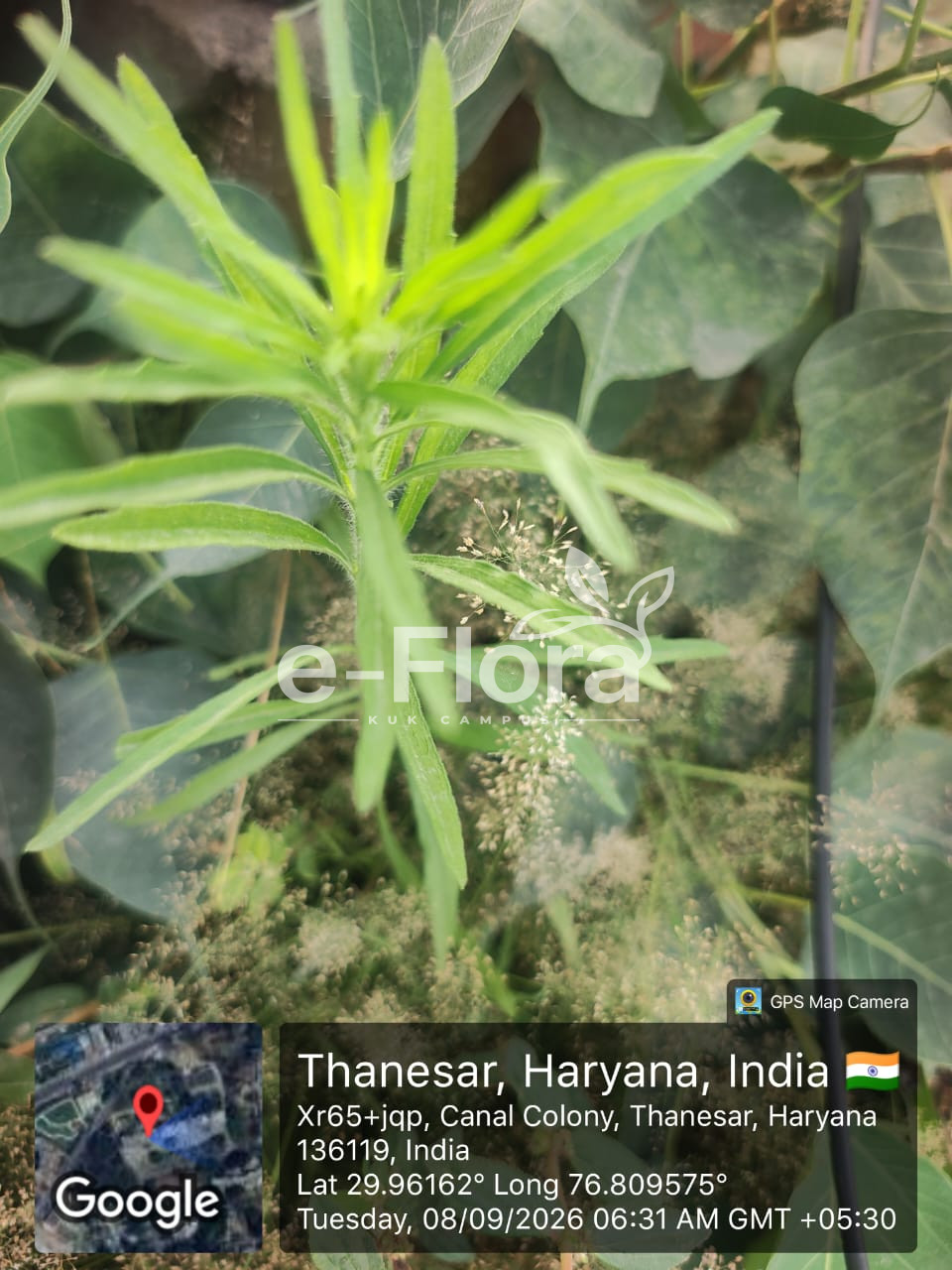
Erigeron sumatrensis Retz.
Vernacular name: Tall fleabane, Sumatran fleabane, Tall horseweed
Species Name: Erigeron sumatrensis Retz.
Family: Asteraceae
Habit: Annual, erect, robust herb, commonly 1–2 m tall.
Stem: Erect, branched mainly in the upper part, densely hairy.
Leaf: Alternate; lower leaves oblanceolate, upper leaves linear-lanceolate; margins entire or shallowly toothed, densely hairy.
Flowering: May–December in India.
Flowers: Numerous small capitula, 4–6 mm across, arranged in a much-branched terminal panicle; ray florets extremely short and inconspicuous, disc florets yellow; phyllaries densely hairy.
Fruit: Small cypsela with a conspicuous white pappus, forming a broad fluffy fruiting head.
Uses:
- Decoctions or leaf pastes are used in folk medicines to relieve headaches, dental pain, gout and rheumatism.
- Folk practices uses the topical application of extracts of plant to treat various skin ailments.
- African traditional practices uses the plant to treat fevers, malaria, nephritis, cystitis and dysmenorrhea.
- Extracts and essential oils of plants have antimicrobial, antifungal, anti-inflammatory and antioxidant properties.
- It is primarily a naturalized weed occurring in waste places, canal margins and disturbed habitats. POWO records medicinal, food and other traditional uses, although its principal significance in India is as a naturalized weed that is resistant to multiple herbicides
- Plant is used in food industry for flavoring, certain candies and beverages of its flavored in available in market.