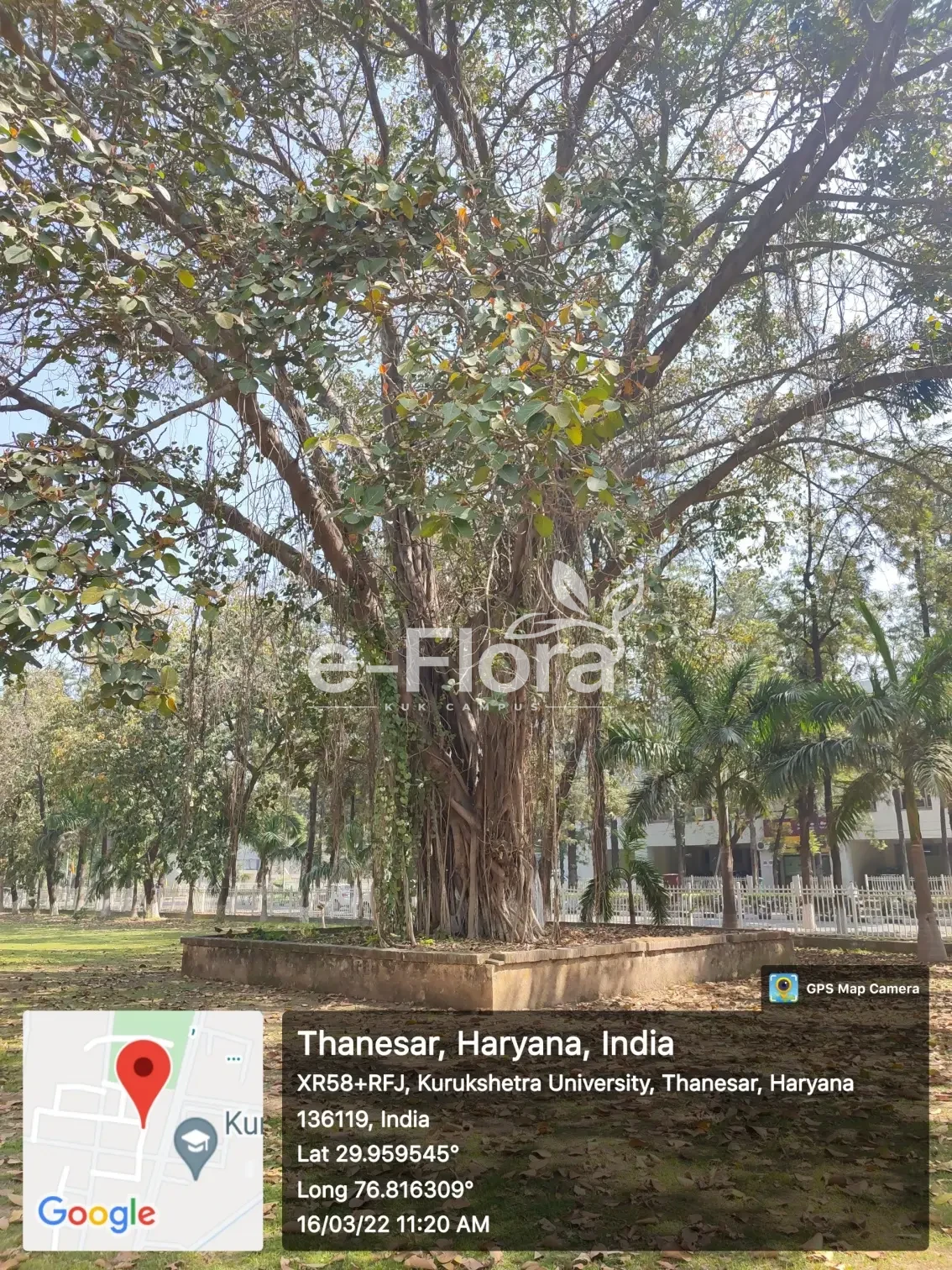
Ficus benghalensis L.
Vernacular name: Banyan tree, Bargad
Species Name: Ficus benghalensis L.
Family: Moraceae
Habit: Evergreen tree
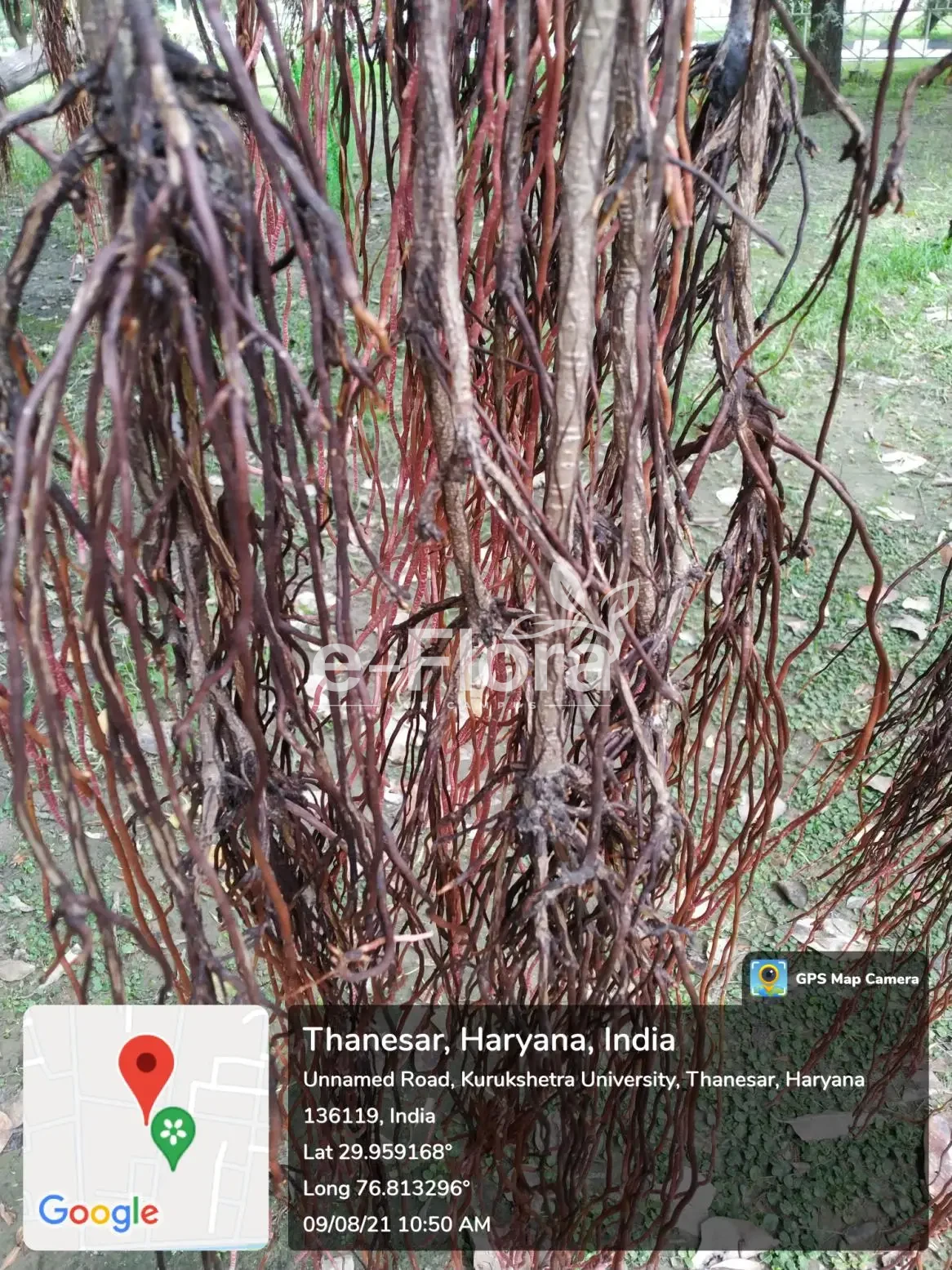
Stem: Spreads over a large area, aerial roots from branches later function as stem
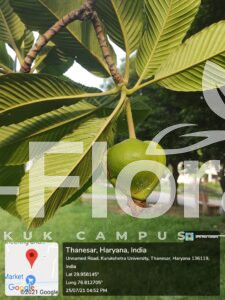
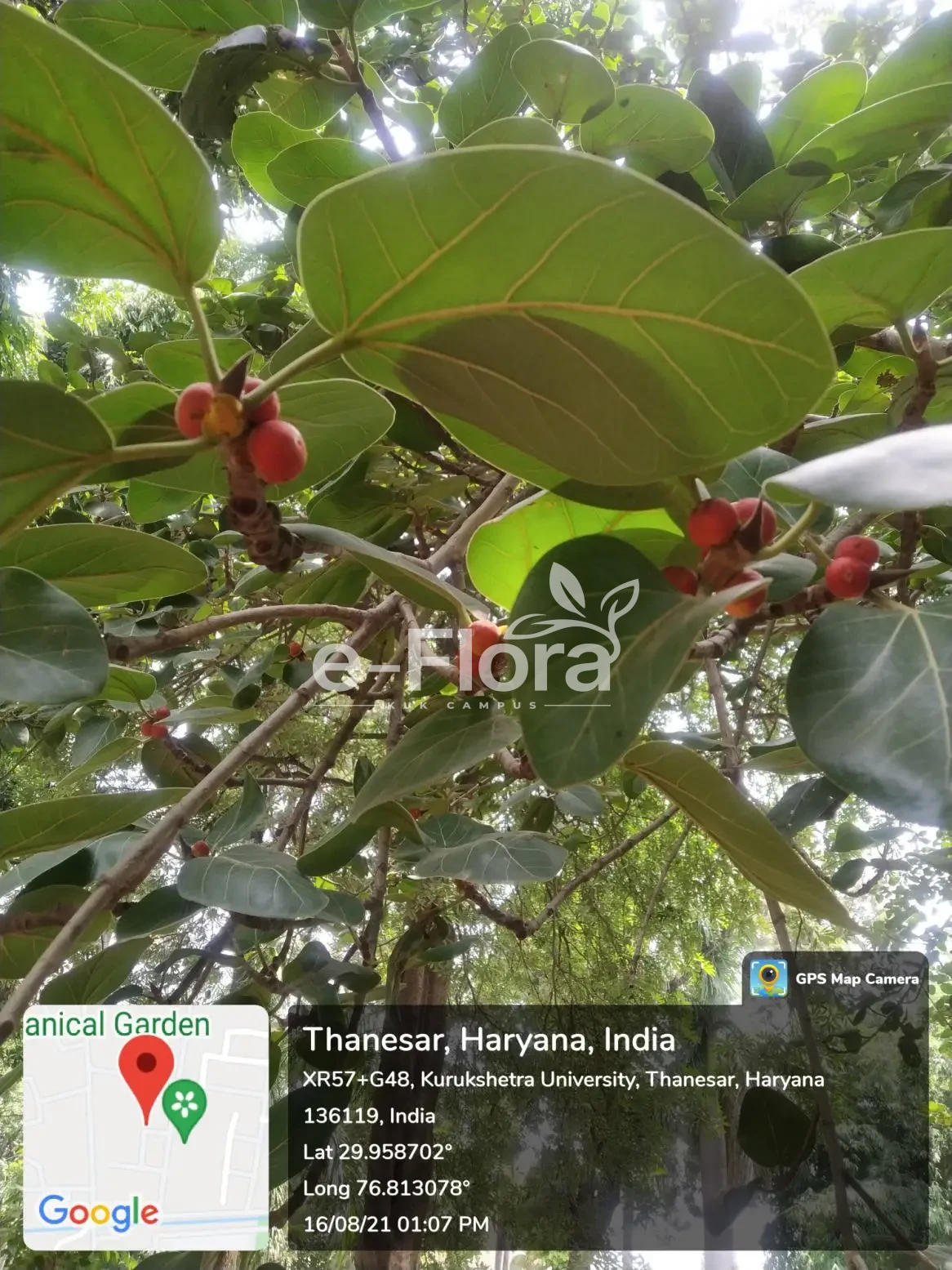
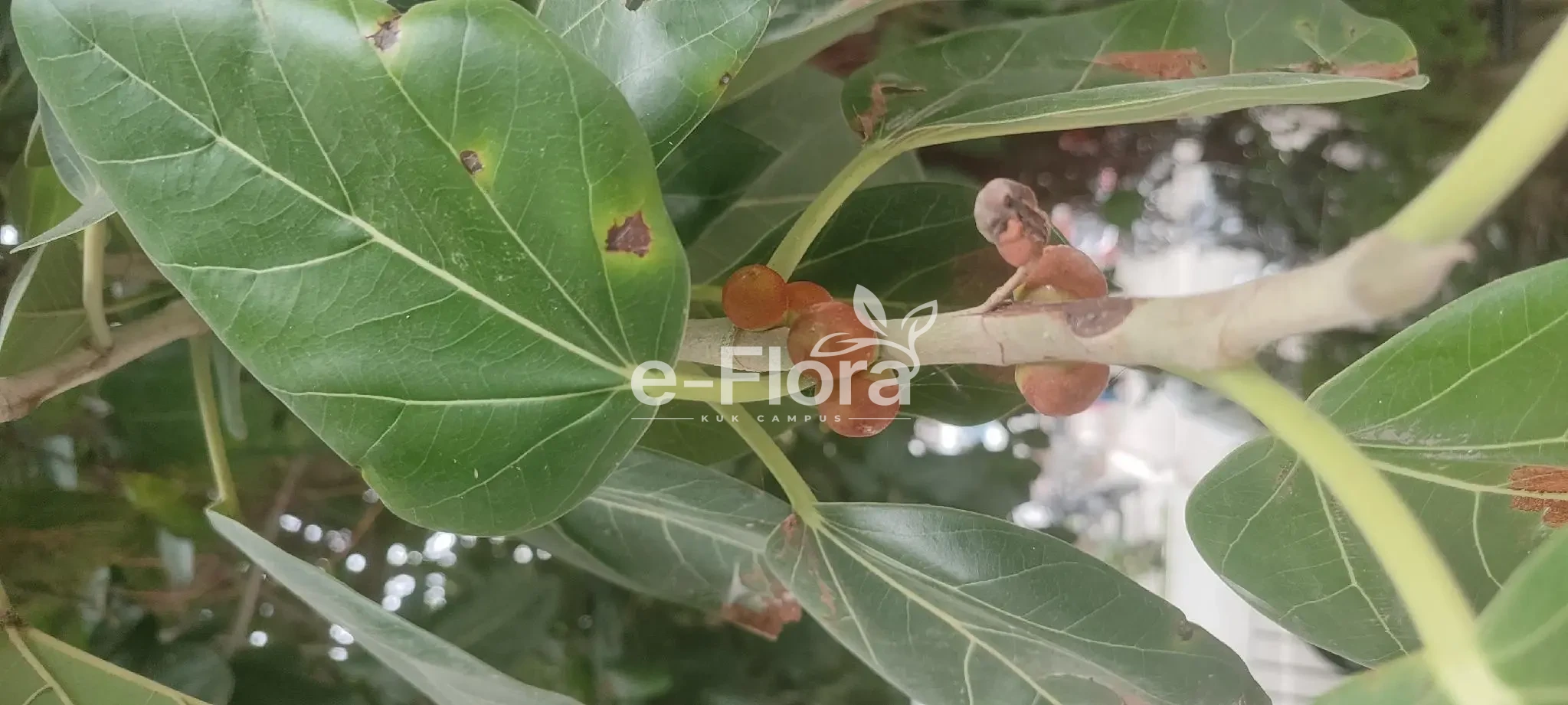
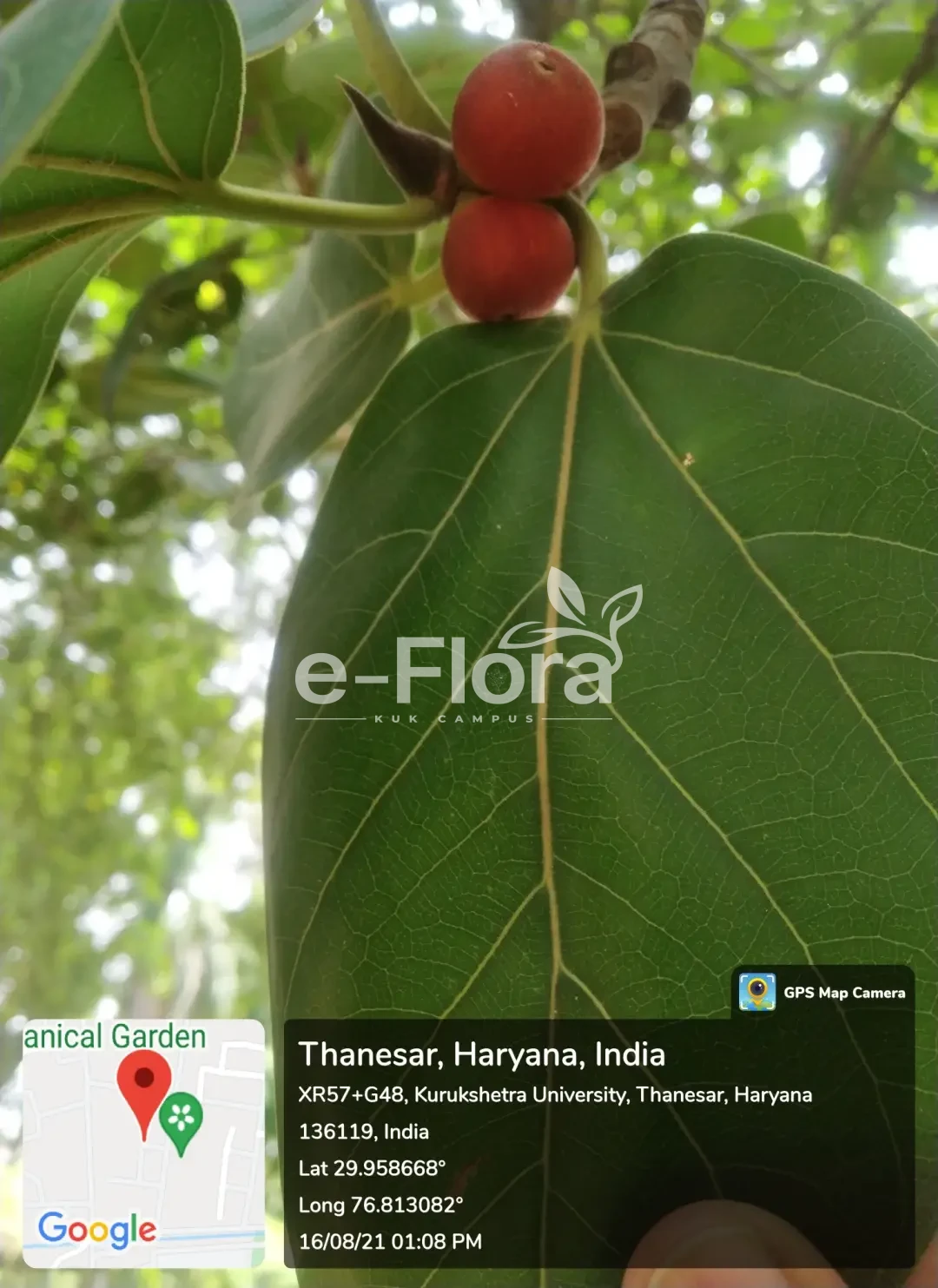
Leaf: Simple, Ovate, obtuse, entire, coriaceous, bud-scale stipules
Flowering: November-January
Flowers: Hypanthodium inflorescence, 3 types of flowers; Male(bear pollen), Gall(for pollination reward) and Female(bears egg)
Fruit: Syconus red, globose
Uses
- The bark of this therapeutically valuable tree is attributed with tonic, astringent, cooling and diuretic properties in Ayurveda.
- Plant latex and leaves are used to treat bruises, burns and rheumatism.
- Blood sugar levels are managed with the help of extracts of roots and bark, that are also used to treat dysentery and diarrhea.
- Root extracts are also used to boost immune system.
- It is considered sacred in various cultures.
- A tree, 400yr old, spread over an area of 386m diameter, is present and under conservation in Royal Botanical Garden, Kolkata
- The specific epithet benghalensis comes from the fact that the plant is native of Bengal.
- A postal stamp was issued by the Indian Postal Department to commemorate this tree.
- Extensive canopy of tree makes a cooling shade plant that also prevent soil erosion and act as carbon sink and is habitat for a diverse wildlife.