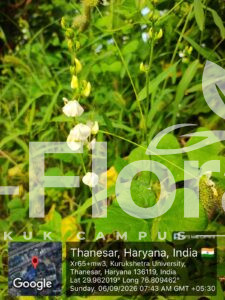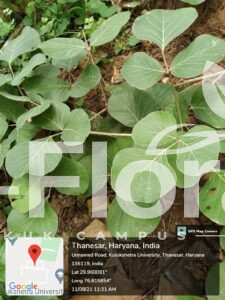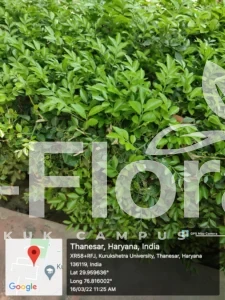
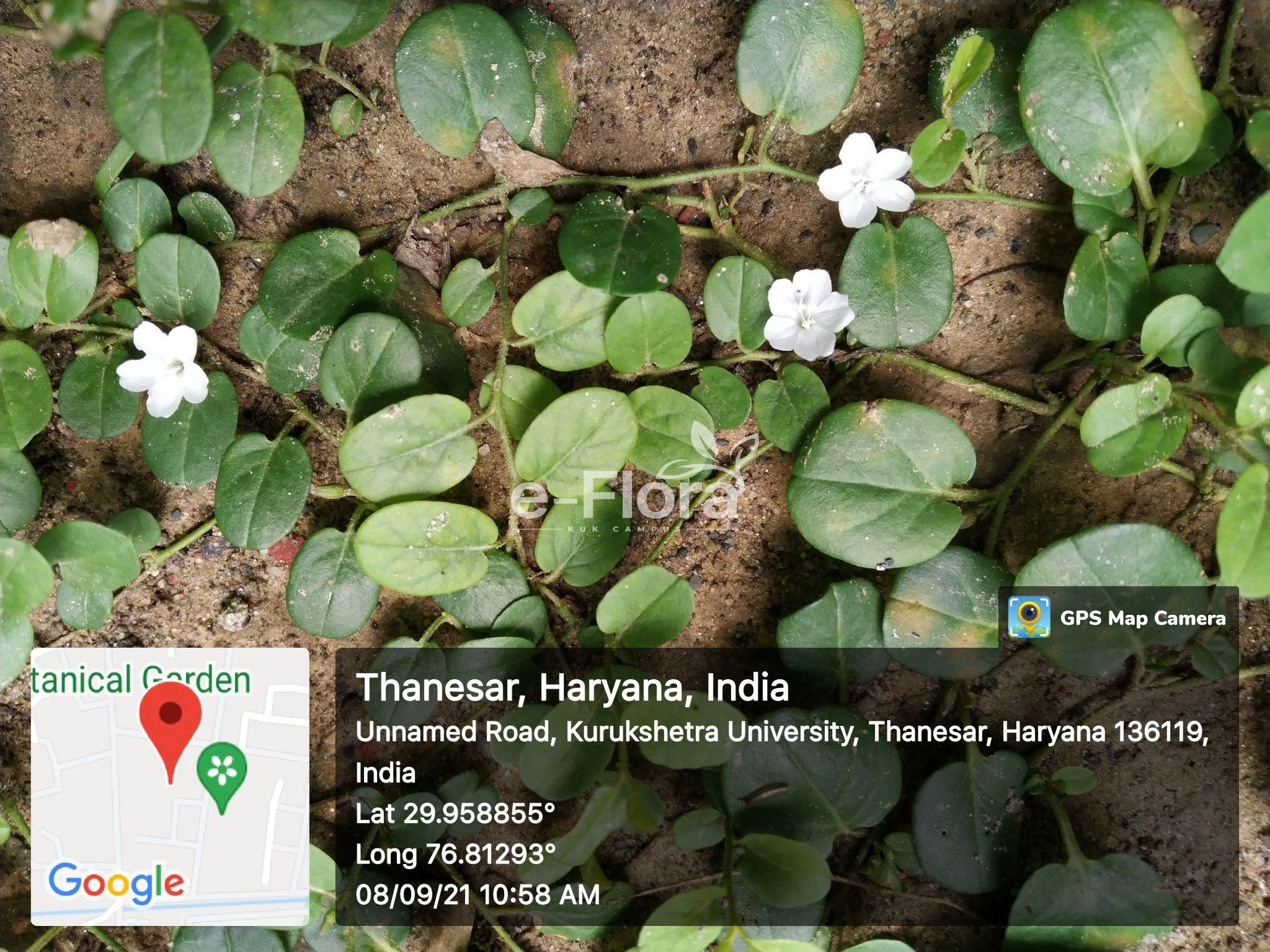
Evolvulus alsinoides (L.) L.
Vernacular name: Shankhpushpi, Dwarf morning glory, Vishnukranthi
Species Name: Evolvulus alsinoides (L.) L.
Family: Convolvulaceae
Habit: Perennial prostrate or ascending herb
Stem: Slender, trailing or creeping, 10-30 cm long, pubescent with appressed hairs, rooting at lower nodes.
Leaf: Simple, alternate, obovate to elliptic, 0.7-2.5 cm long, 0.5-1 cm wide, subsessile or short-petiolate, entire margins, hairy beneath.
Flowering: Nearly year-round, peaking in monsoon season.
Flowers: Solitary or few in cymes, pedunculate; blue (rarely white), rotate corolla 7-10 mm diameter, 5 sepals lanceolate-hairy, stamens 5, styles 2.
Fruit: Globose 4-valved capsule, 4 black smooth seeds
Uses
- Plant is used to prepare an Ayurvedic brain tonic (Medhya rasayana) used for memory enhancement, and treating dementia, epilepsy, insanity.
- Plant can be used as an anxiolytic, sedative and nootropic.
- Plant is used to treats fever, cough, ulcers and snakebites.
- Plant has antidiabetic and antioxidant property.
- Entire plant decoction can be used for nervous disorders.
- Revered as Shankhpushpi in Charaka Samhita (c. 1000 BCE) for intellect promotion.
- It replaces Convolvulus pluricaulis as source plant.
- Folklore associates blue flowers with Lord Vishnu’s crown (krishna-karni).
- Tribal healers in India use pant for “cooling brain heat“.
- It is popularly planted in temple vicinities for spiritual clarity.