Dypsis lutescens (H.Wendl.) Beentje & J.Dransf.
Vernacular name: Areca Palm, Butterfly Palm, Golden Cane Palm
Species Name: Dypsis lutescens (H.Wendl.) Beentje & J.Dransf. (syn. Chrysalidocarpus lutescens H.Wendl.)
Family: Arecaceae
Habit: Evergreen clustering palm.
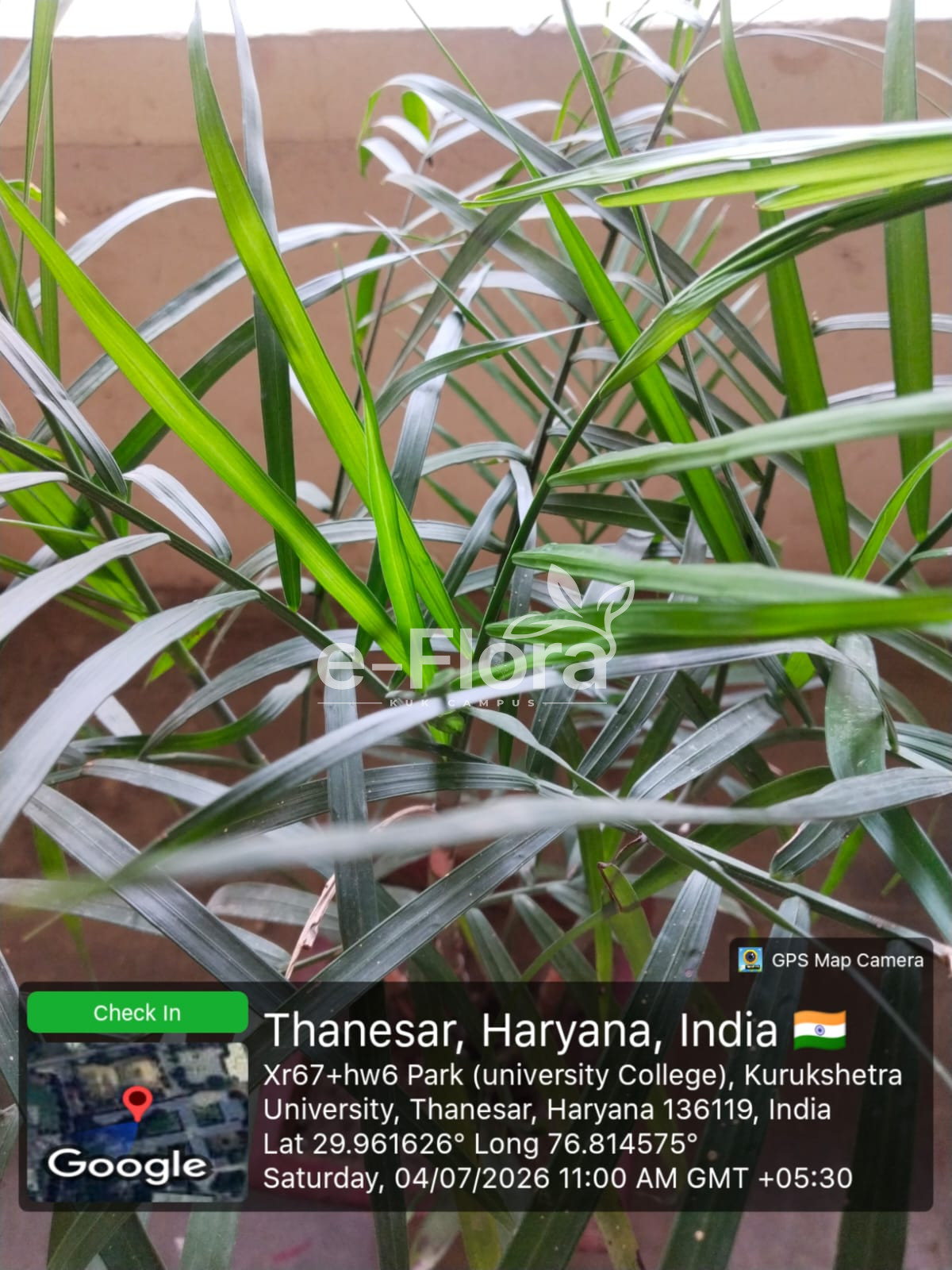
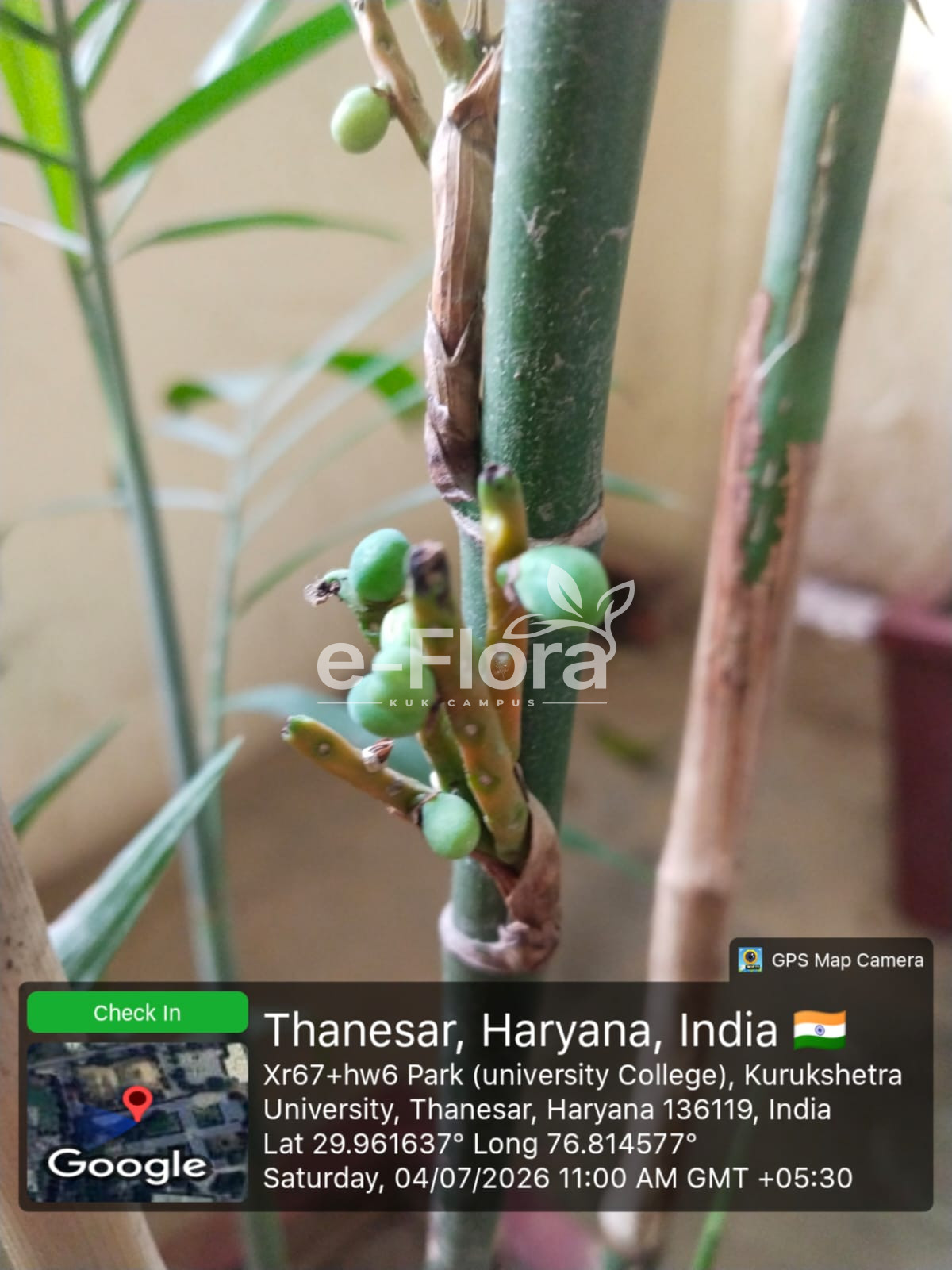
Stem: Multiple slender cane-like stems, 6–12 m tall, smooth, yellowish-green, prominently ringed with leaf scars.
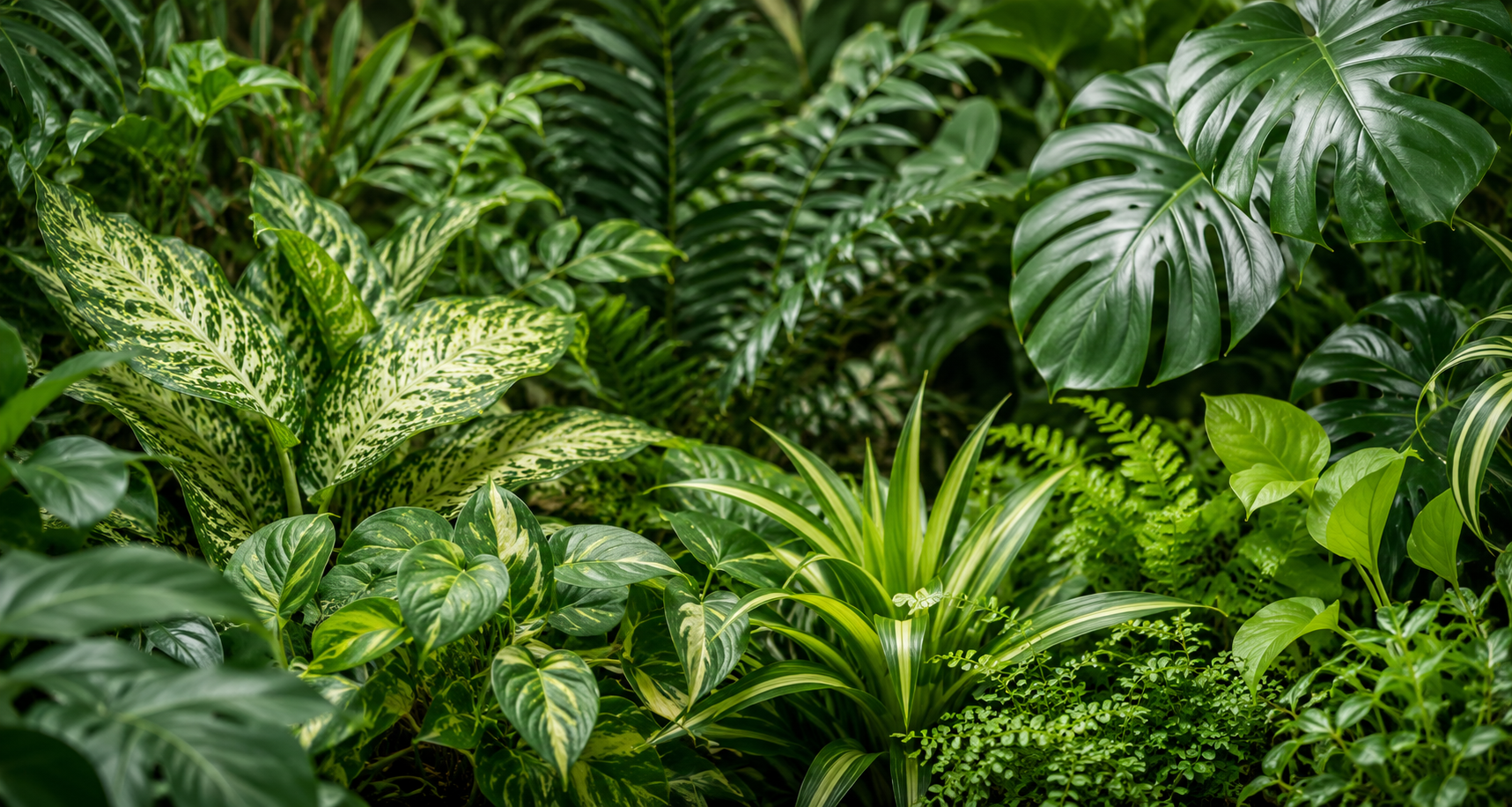
Leaf: Pinnate, arching, 1.5–2.5 m long; leaflets numerous, narrow-lanceolate, glossy green, arranged in a single plane.
Flowering: Spring–summer.
Flowers: Small, creamy-yellow, unisexual, borne on branched interfoliar spadices; male and female flowers on the same inflorescence; ovary superior, tricarpellary.
Fruit: Ovoid to ellipsoid drupe, green turning yellow, orange, and finally purplish-black at maturity; one-seeded.
Uses:
- One of the most popular ornamental palms for gardens and indoor landscaping due to its attractive clumping habit and tolerance of shade.
- It is also widely used as an air-purifying indoor plant as remove components like formaldehyde, xylene and toluene from room air and planted as a screening or hedge palm in tropical landscapes.
- Plant add humidity to dry indoor space as it releases moisture through transpiration.
- It is considered to bring positive energy and prosperity according to traditional practices.