Capsella bursa-pastoris (L.) Medik.
Vernacular name: Shepherd’s purse, Cocowort, Blind weed; Chamure Jhaar, Chaalne
Species Name: Capsella bursa-pastoris (L.) Medik.
Family: Brassicaceae
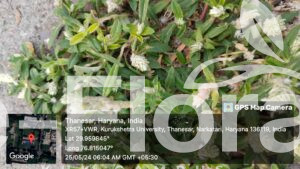
Habit: Annual or biennial herb, usually 15–30 cm tall.
Stem: Erect, slender, usually sparsely branched, glabrous or hairy.
Leaf: Basal leaves in a rosette, oblong-lanceolate to spatulate, pinnatifid/pinnatipartite; cauline leaves sessile, auriculate and clasping the stem.
Flowering: Mainly winter–spring; November–April in parts of India.
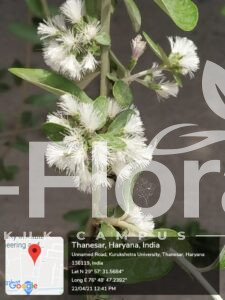
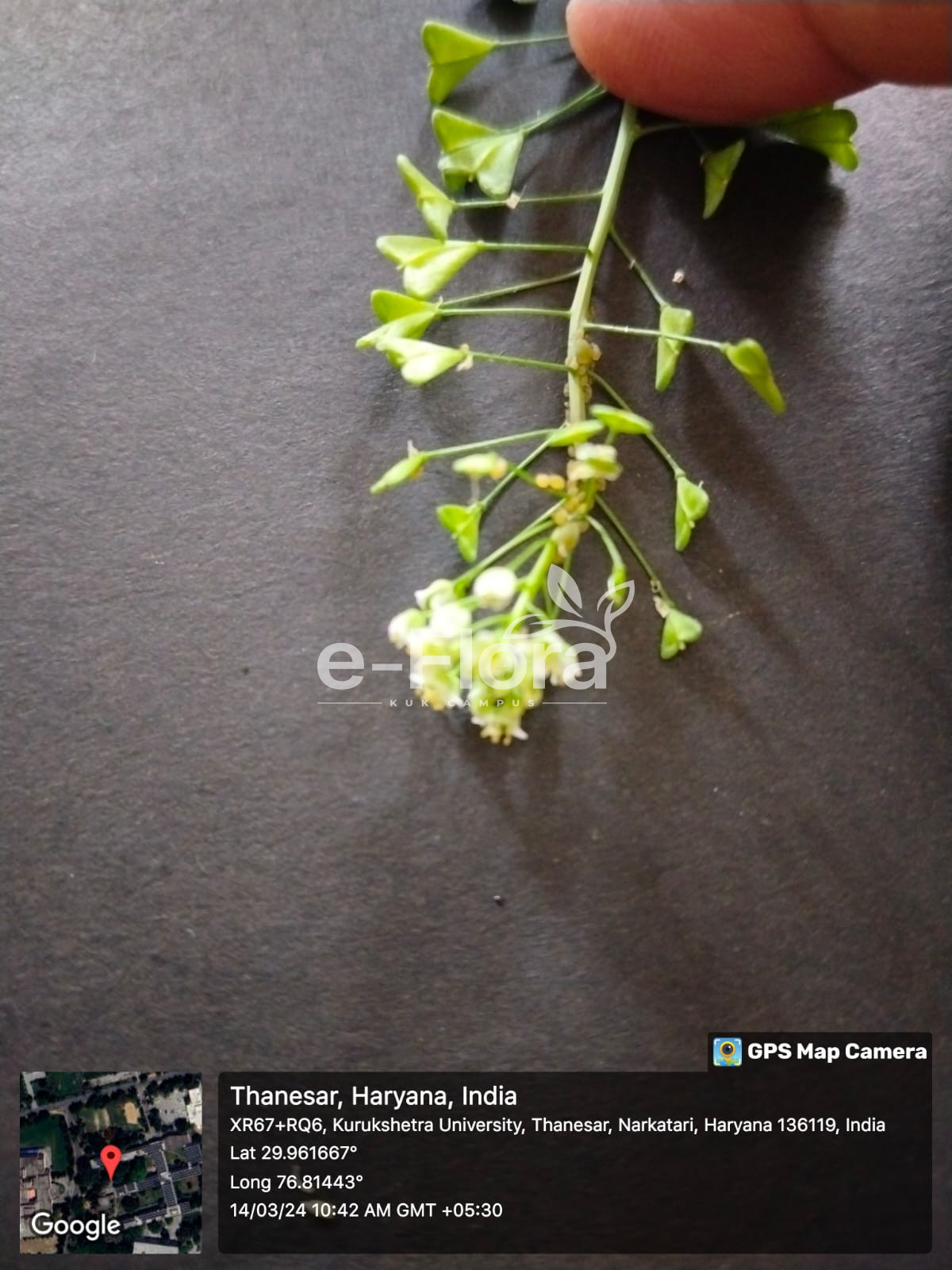
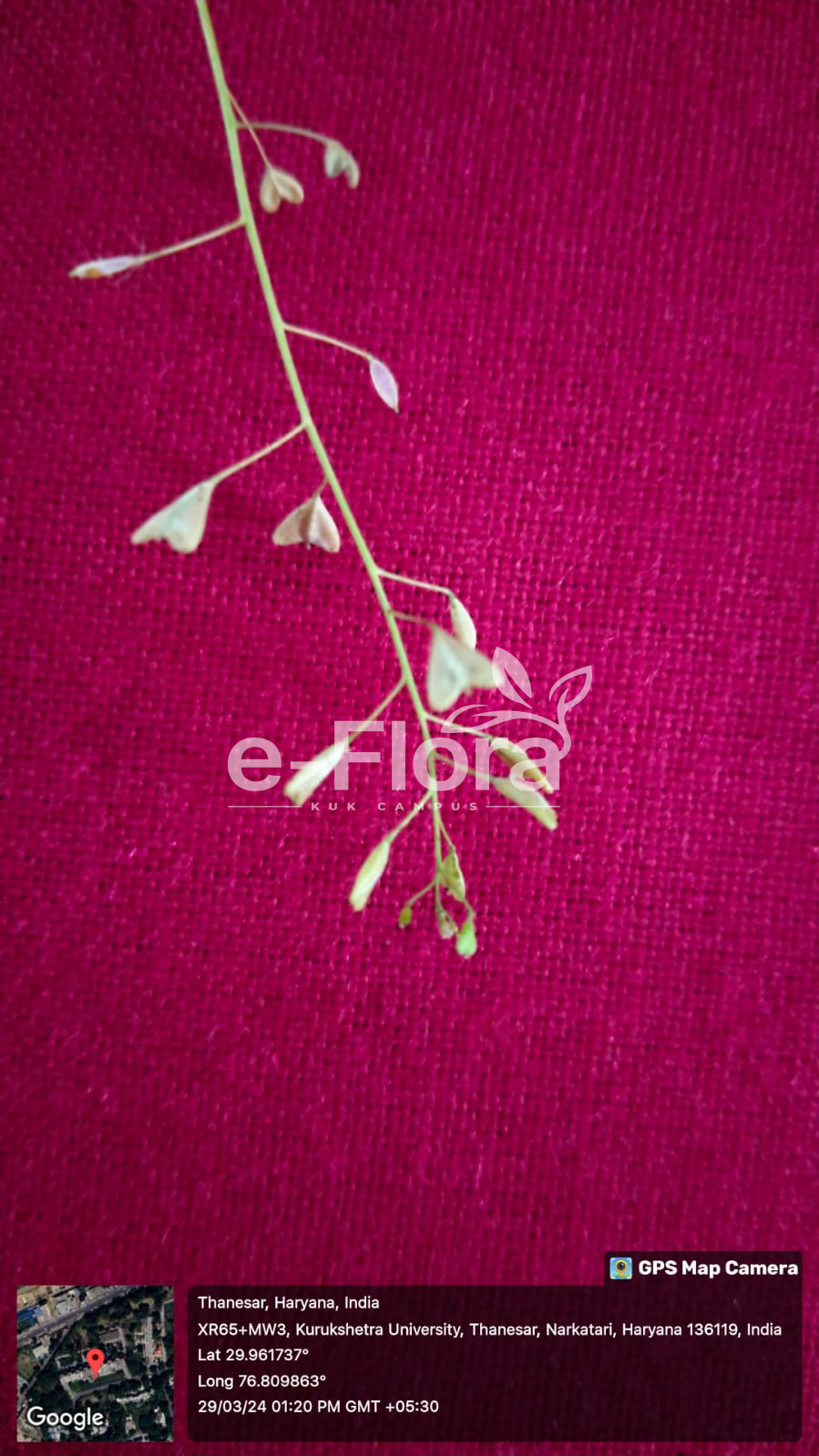
Flowers: Very small, white, 4-petalled, borne in terminal racemes; racemes elongate considerably during fruiting.
Fruit: Characteristic inverted-triangular to heart-shaped (obcordate) silicula, 5–8 mm long, with a broad apical notch and numerous small seeds.
Uses:
- Traditionally plant is used to stop or reduce heavy menstrual bleeding (menorrhagia), wound bleedings, nosebleeds and postpartum bleedings.
- Plant contains flavonoids and sulforaphane that are responsible for anti-inflammatory and antioxidant properties.
- Folk medicines uses the plant to support digestive functions and treat urinary tract ailments like cystitis or passing stones.
- The young leaves, stems and roots are eaten as a vegetable in some regions. They have a mild peppery mustard like flavor.
- Cosmetic industry uses the extracts of this plant for its antioxidant and soothing properties.
- Plant is also used for phytoremediation.