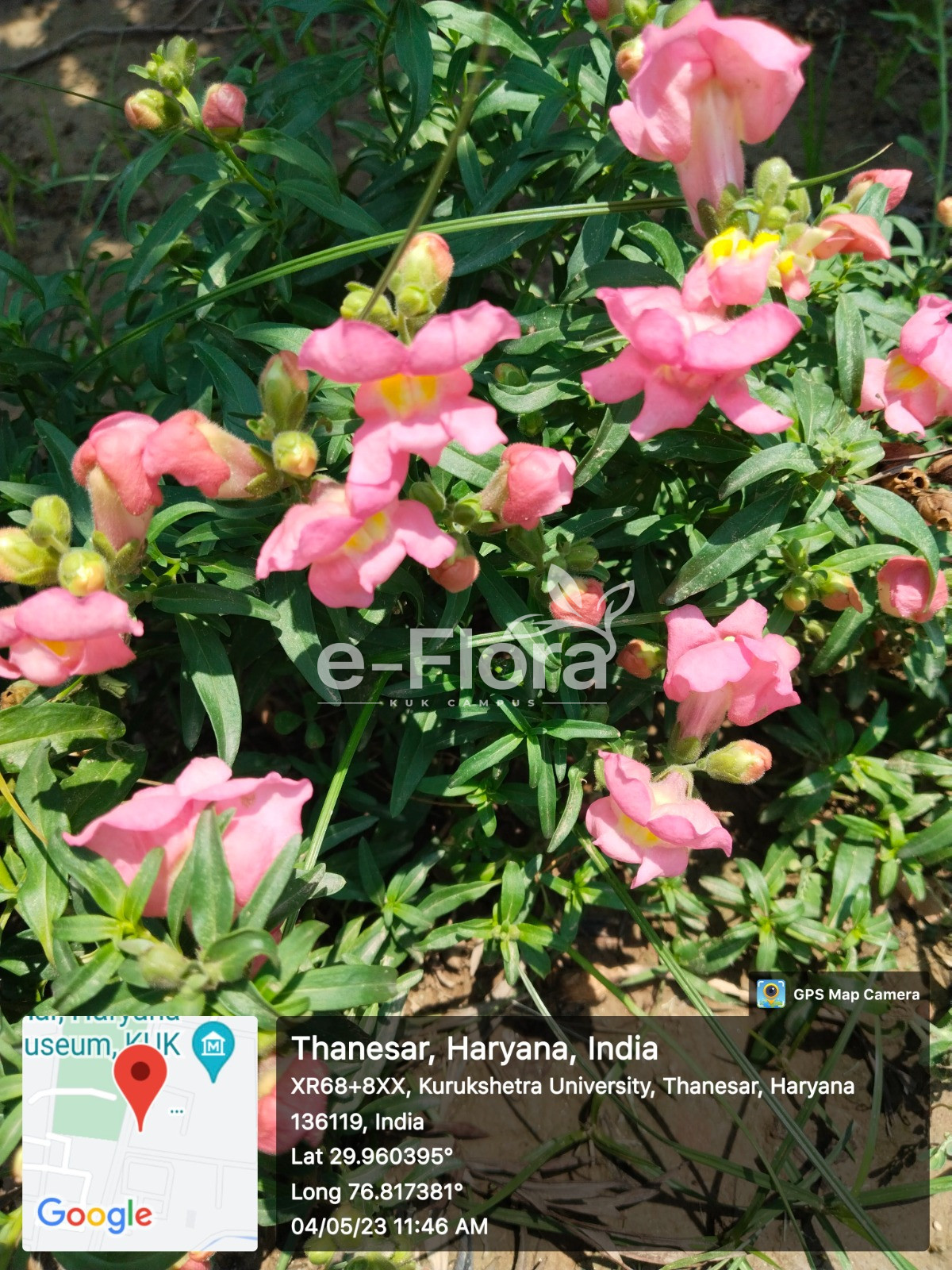
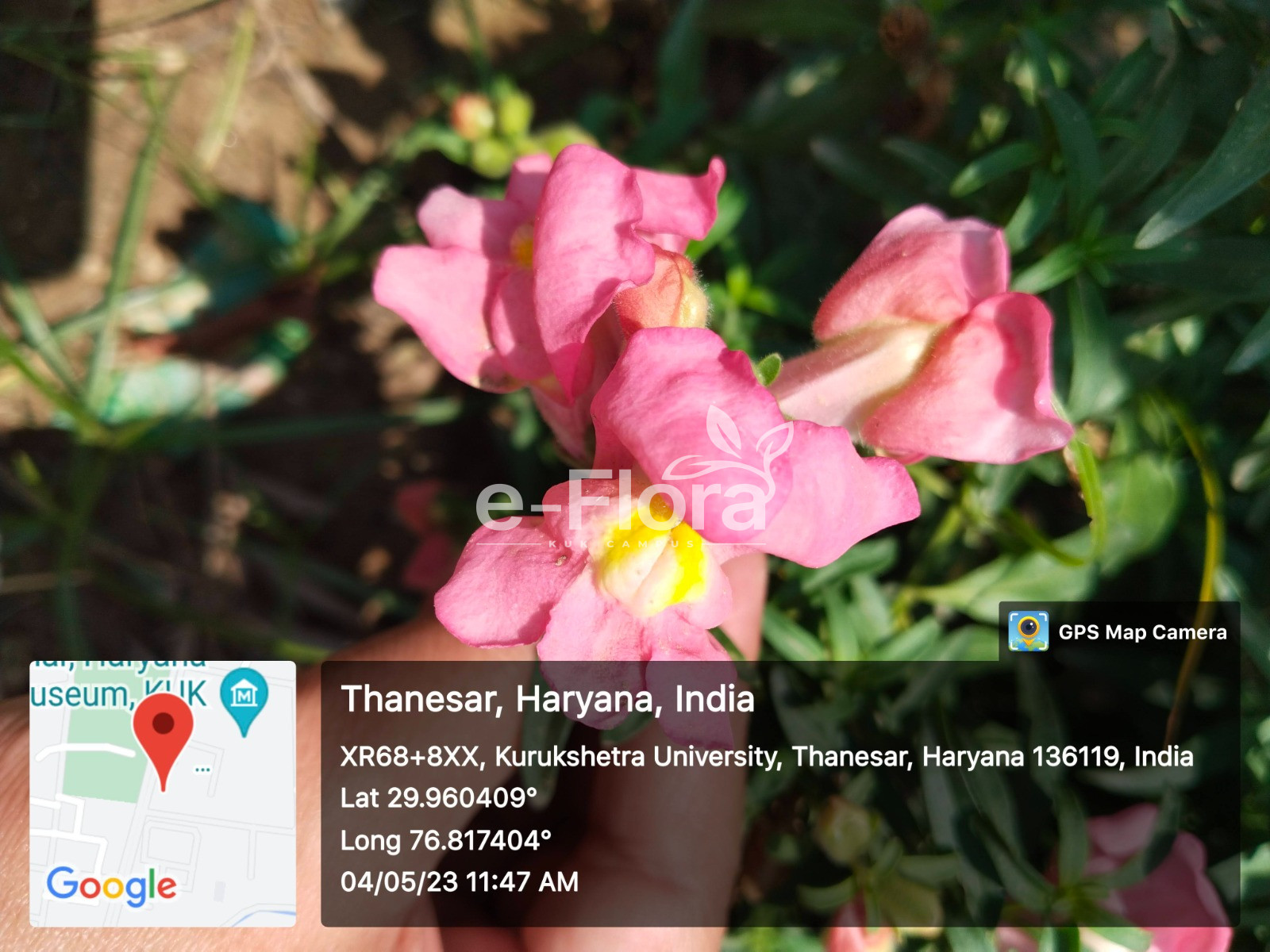
Antirrhinum majus L.
Vernacular name: Snapdragon, Common Snapdragon
Species Name: Antirrhinum majus L.
Family: Plantaginaceae
Habit: Annual or short-lived perennial herb.
Stem: Erect, branched, glabrous to sparsely glandular-pubescent, 30–100 cm tall.
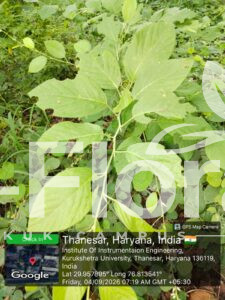
Leaf: Alternate above, opposite below; lanceolate to linear-lanceolate, 2–7 × 1–2 cm, entire, sessile, glabrous.
Flowering: Winter–spring (under cultivation).
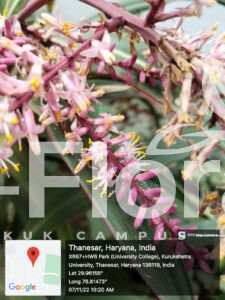
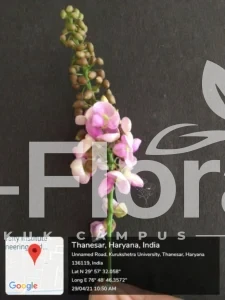
Flowers: Large, zygomorphic, borne in terminal racemes; corolla bilabiate, personate (snapdragon-shaped), white, yellow, pink, red, orange, or purple; stamens 4, didynamous; ovary superior, bicarpellary.
Fruit: Ovoid poricidal capsule containing numerous small, black, reticulate seeds.
Uses:
- Poultices of crushed leaves and flowers are tropically applied in traditional medicines to soothe tumors and skin ulcers.
- In folk remedies, plant is used for its diuretic property to treat hemorrhoids, gum scurvy, liver disorders and other digestive and urinary ailments.
- In herbal medicines, plant is popular for its stimulant, astringent, antimicrobial and anti-inflammatory properties.
- Plant contains flavanones, anthocyanidins, cinnamic acid, flavonols, aurones and flavones.
- Widely cultivated as a bedding, border, and cut-flower ornamental because of its colourful, long-lasting blooms. Flowers attract bees and other pollinators. It is extensively used in horticultural breeding to produce numerous ornamental cultivars.
- Its long-lasting flower spikes made it quite popular in floral industry and a good choice for bouquets.
- Flowers can be used as garnish in salads, desserts and drinks for their vibrant colour and bitter taste.
- Stem has tenacious are used in textile industry.
- Flowers are processed to yield a green-coloured dye and if mordant is used then dark green and gold coloured dye.
- Seeds can be used to extract an oil little inferior to olive oil.