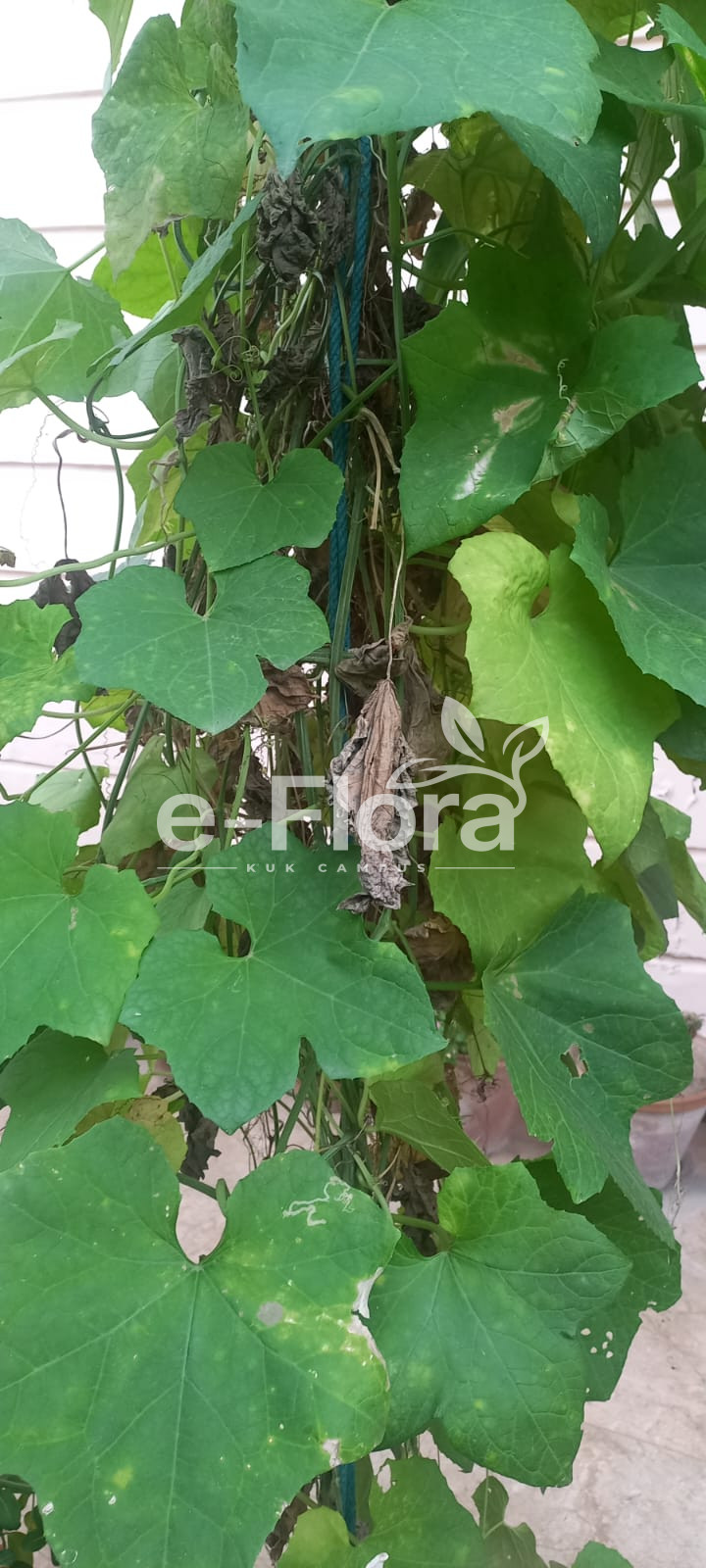
Luffa aegyptiaca Mill.
Vernacular name: Ghia Torai, Sponge Gourd, Smooth Loofah, Vegetable Sponge
Species Name: Luffa aegyptiaca Mill.
Family: Cucurbitaceae
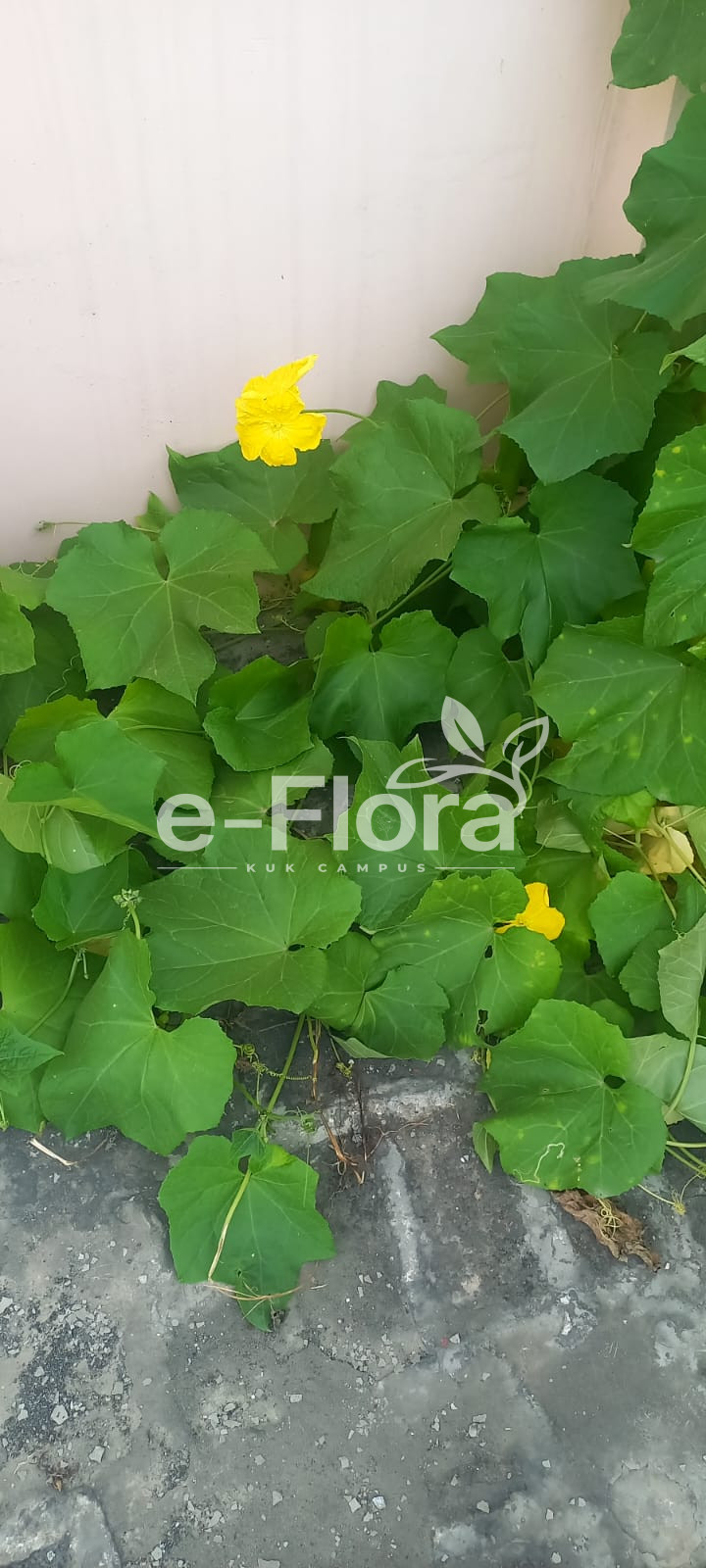
Habit: Annual climbing herbaceous climber.
Stem: Slender, herbaceous, angular and branched; climbing with the help of simple, coiled tendrils.
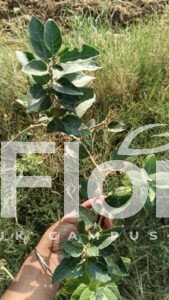
Leaf: Alternate, simple, broadly ovate to nearly circular, palmately 5–7-lobed, usually 10–20 cm across; margins toothed; petiole long; leaves somewhat rough or hairy.
Flowering: February–December according to India Flora Online.
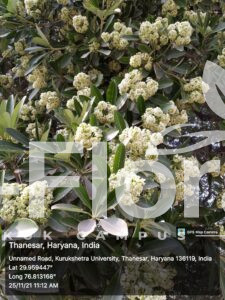
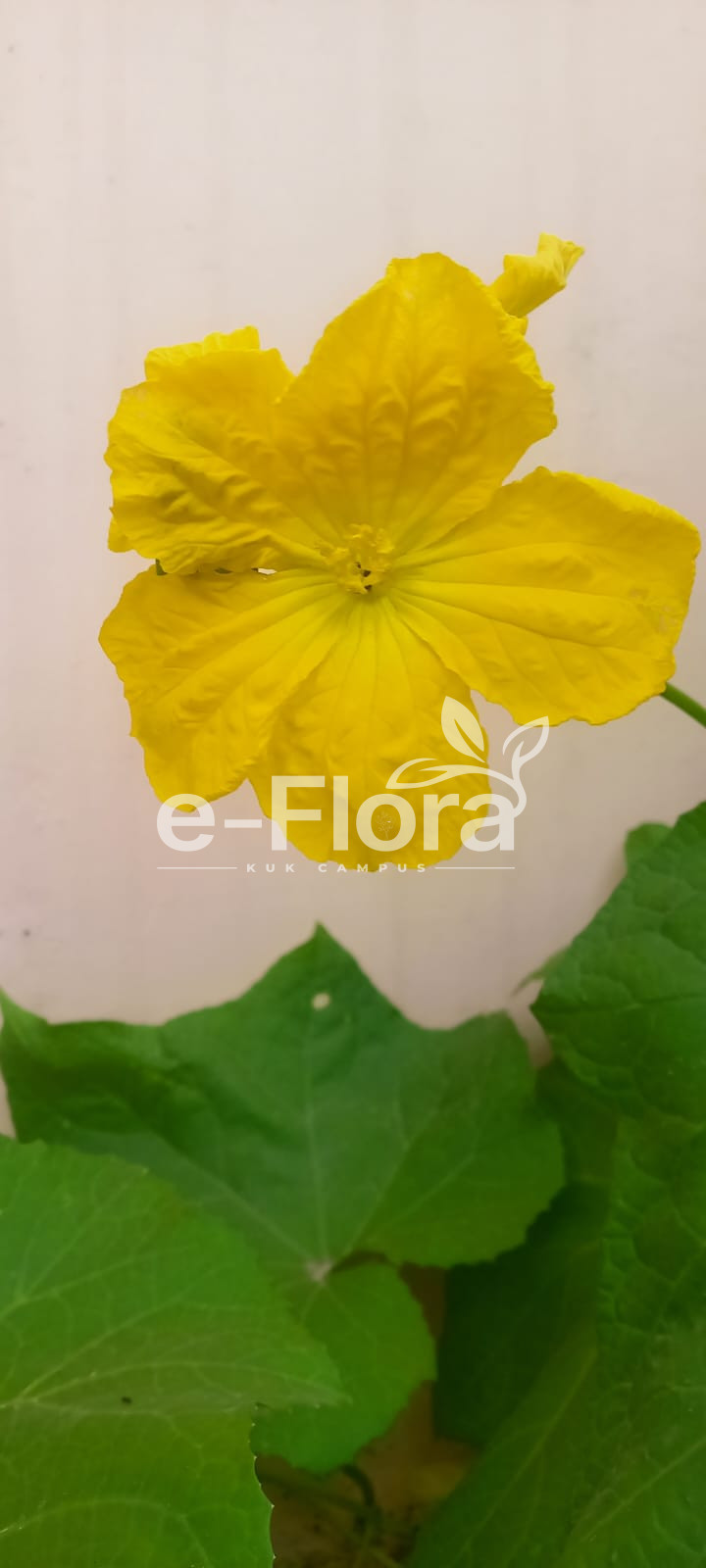
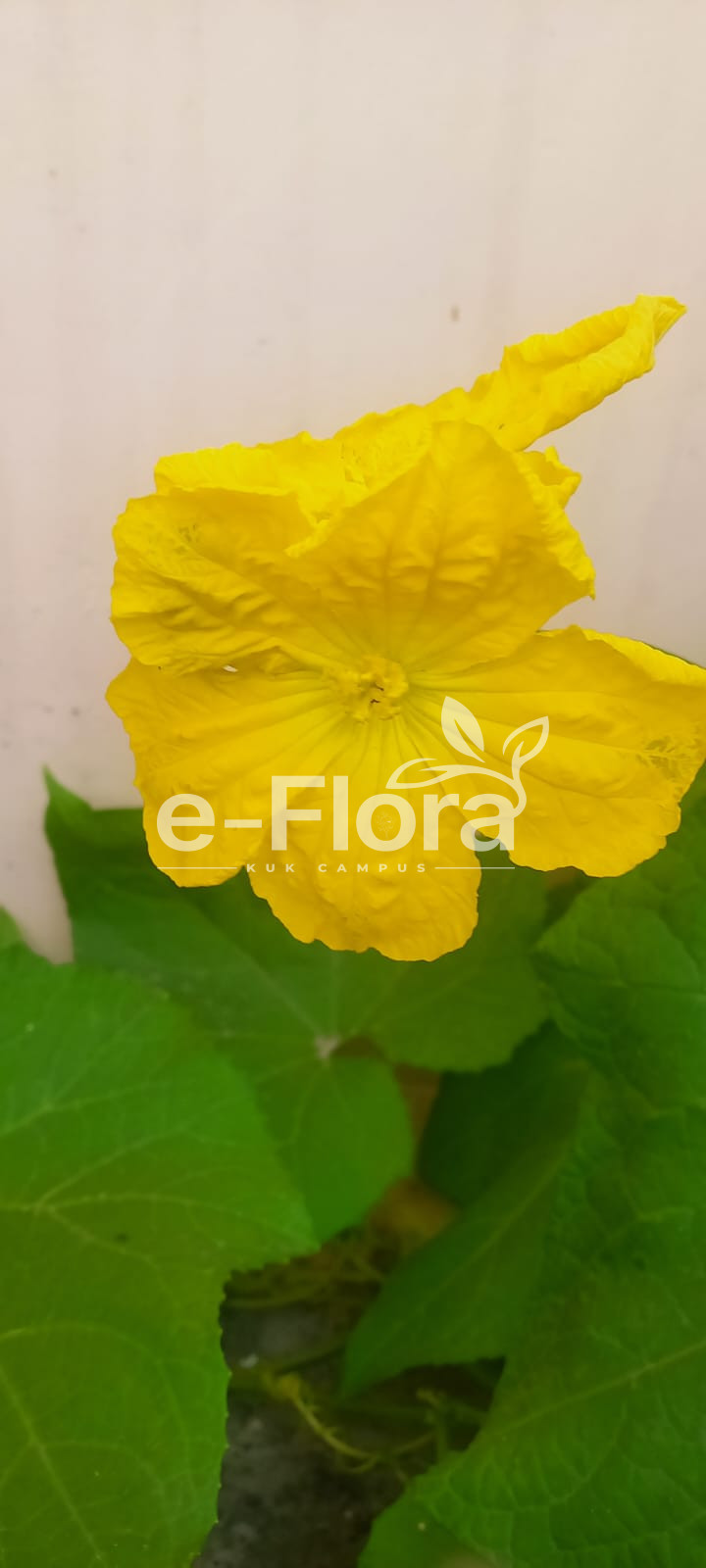
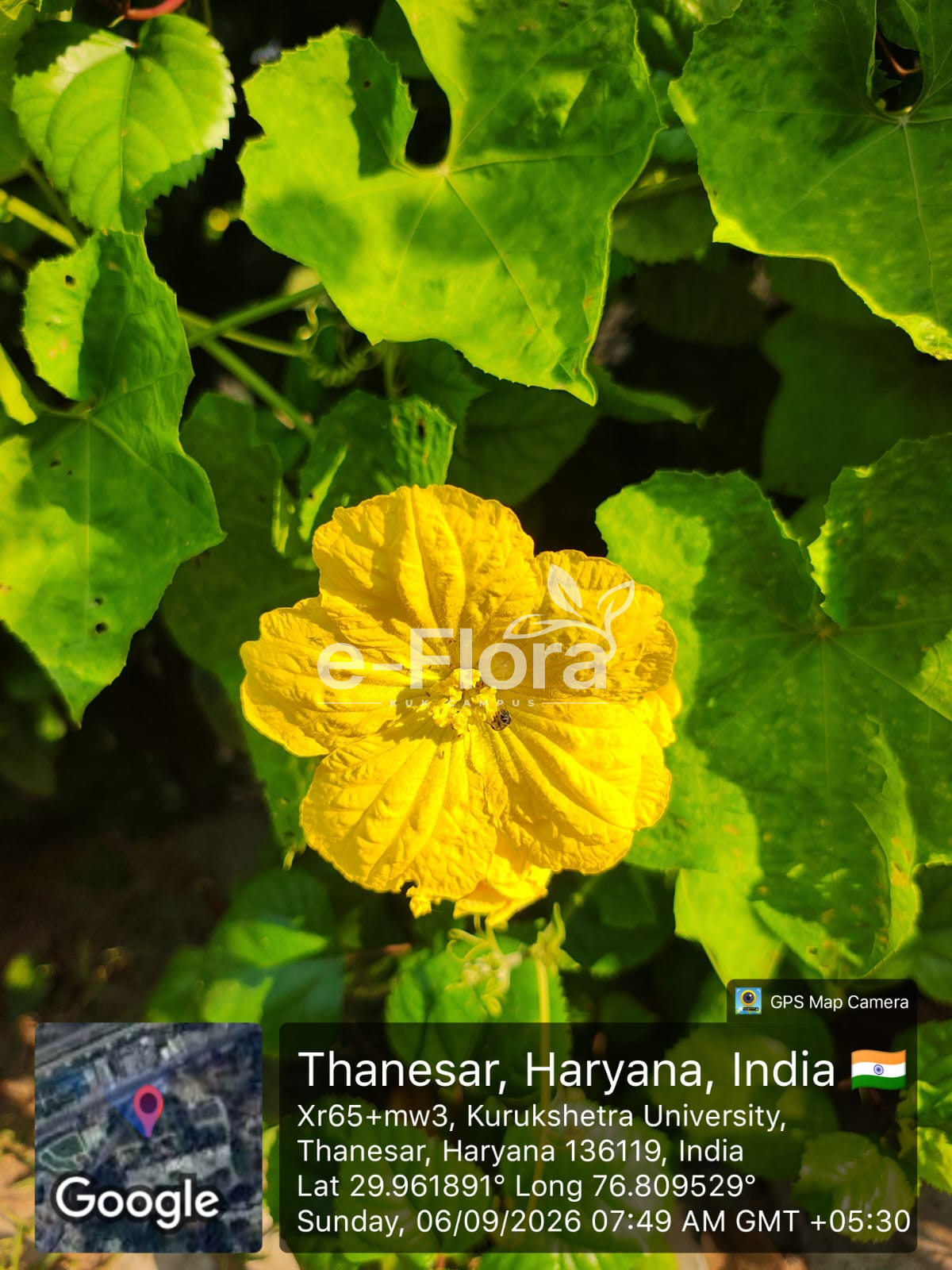
Flowers: Yellow, unisexual; male flowers usually smaller and borne in clusters, while female flowers are generally solitary; corolla 5-lobed; stamens 5 with characteristic anther arrangement; ovary inferior. Male flowers in racemose clusters; female flowers solitary and axillary.
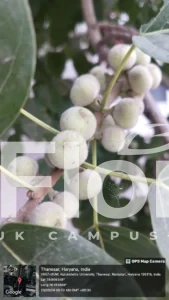
Fruit: Elongated, cylindrical, smooth, green berry, often 20–40 cm long; when mature it becomes dry and fibrous, producing the characteristic loofah/luffa sponge; numerous flattened seeds are embedded in the fibrous interior.
Peculiar features: The smooth cylindrical fruit that develops a tough network of fibrous vascular tissue when mature is the most distinctive feature. The plant also has yellow unisexual flowers, palmately lobed leaves and coiled tendrils.
Uses:
- Traditional practices uses infusions from various parts of the plant to manage chest pain, muscle pain, improve circulation and milk flow.
- Tropical application od crushed leaves and luffa charcoal helps to soothe swellings, boils and shingles.
- Mature dried fruits are used as natural and biodegradable bathing or body sponges and scrubbers that helps with exfoliating of skin.
- Dried dense fibers can be used as eco-friendly scrub brushes for kitchens, dishes and bathrooms.
- Young and tender green fruits are widely eaten as a vegetable (Ghia Torai). Seeds can be consumed roasted and salted. Seeds are also processed to extract a cooking oil.
- Overripe and excess fibrous material can be fed to chickens and goats.
- Fibers are durable and can be used in shoe soles, packaging padding and compressed composite panels for buildings and furniture design.