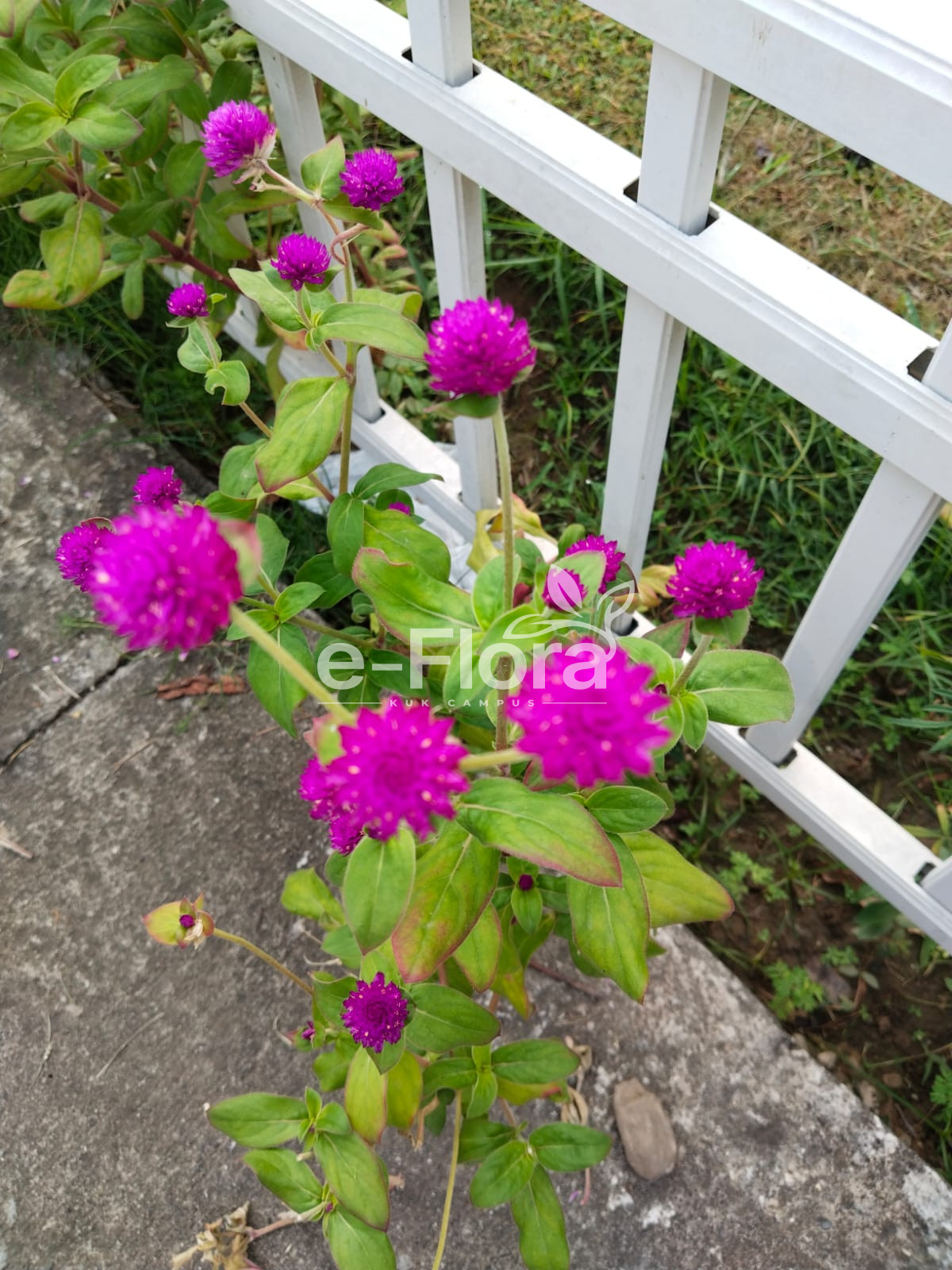
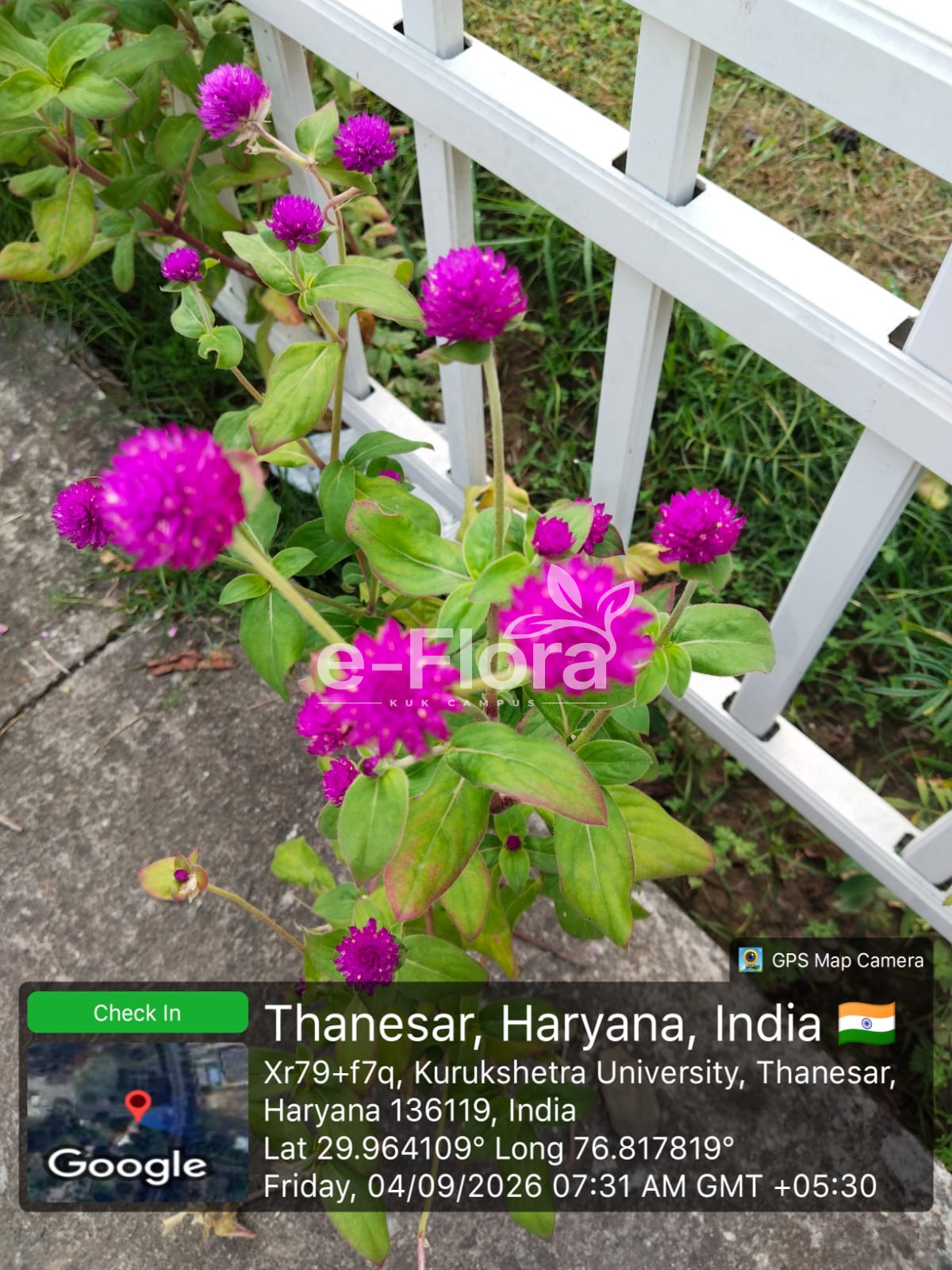
Gomphrena globosa L.
Vernacular name: Globe Amaranth, Bachelor’s Button, Gomphrena, Gul-e-Makhmal, Vadamalli
Species Name: Gomphrena globosa L.
Family: Amaranthaceae
Habit: Annual herb, erect or sometimes decumbent, branched; commonly cultivated as an ornamental plant and sometimes escaping from cultivation.
Stem: Much-branched, slightly angular, green to greyish, covered with appressed or greyish hairs; nodes may appear somewhat swollen.
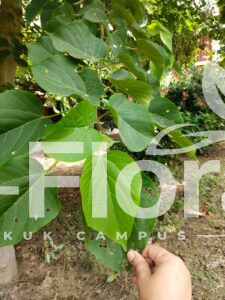
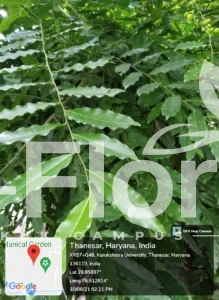
Leaf: Opposite, simple, oblong to elliptic or obovate, shortly petiolate or subsessile; margins slightly undulate; leaves generally hairy, especially when young.
Flowering: Throughout the year under favourable conditions.
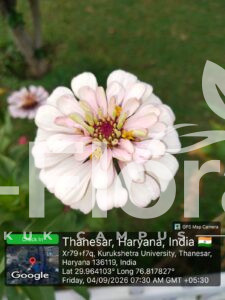
Flowers: Small, densely packed, usually purple, pink, white or reddish; individual flowers have papery, hairy tepals; stamens are united into a tube and the ovary is superior with two stigmas. Inflorescence dense, globose to depressed-globose terminal flower heads, usually appearing above the uppermost pair of leaves.
Fruit: Small, dry, one-seeded utricle, oblong-ovoid and enclosed by the persistent perianth.
Uses:
- Infusions from flowers are used in folk medicines to treat indigestion, baby colic and flatulence.
- Balms are prepared by mixing crushed flowers of vadamalli to treat wounds, skin rashes and minor irritations with tropical applications.
- Dried flowers can be brewed into teas or infusions and used to ease cough, asthma and bronchitis.
- Traditional practices uses extracts of flowers and leaves to regulate and manage high blood pressure.
- Folk tradition uses plant for its diuretic and cooling effects.
- Flowers are popular choice for everlasting wreaths, Hawaiian leis and dried bouquets as flower can retain its globe shape and vivid colour long after drying.
- Protective garlands are prepared from the flowers (makhamali flower) in Nepal for Bhai Tika festival.
- Flowers contains betacyanins that can help in extraction of a red violet colour dye that can be used as natural additive in food and cosmetics.
- It is a low maintenance ornamental plant that is also drought tolerant and can be planted in boarders and cutting gardens. It also attracts pollinators like butterflies and bees.