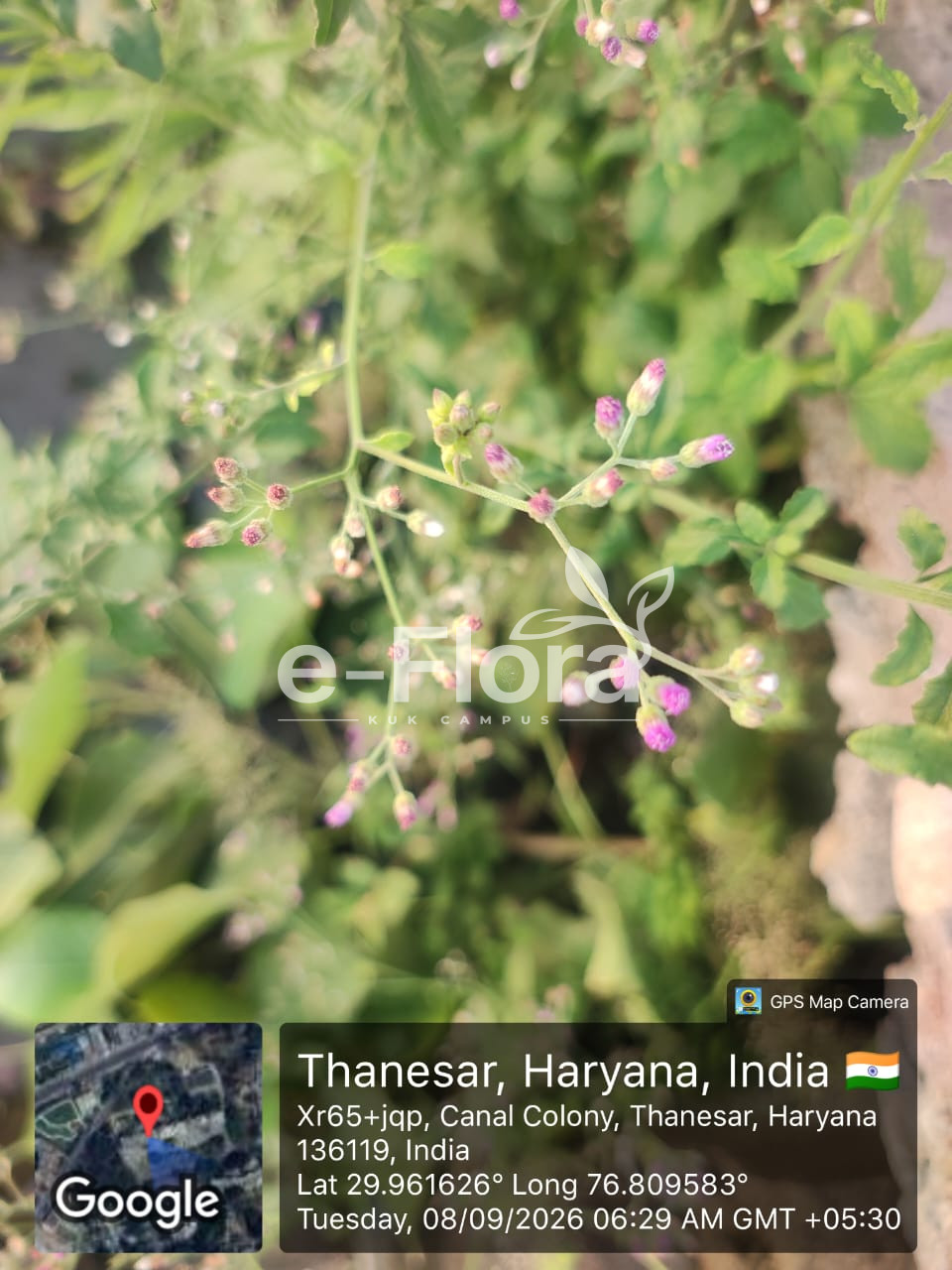
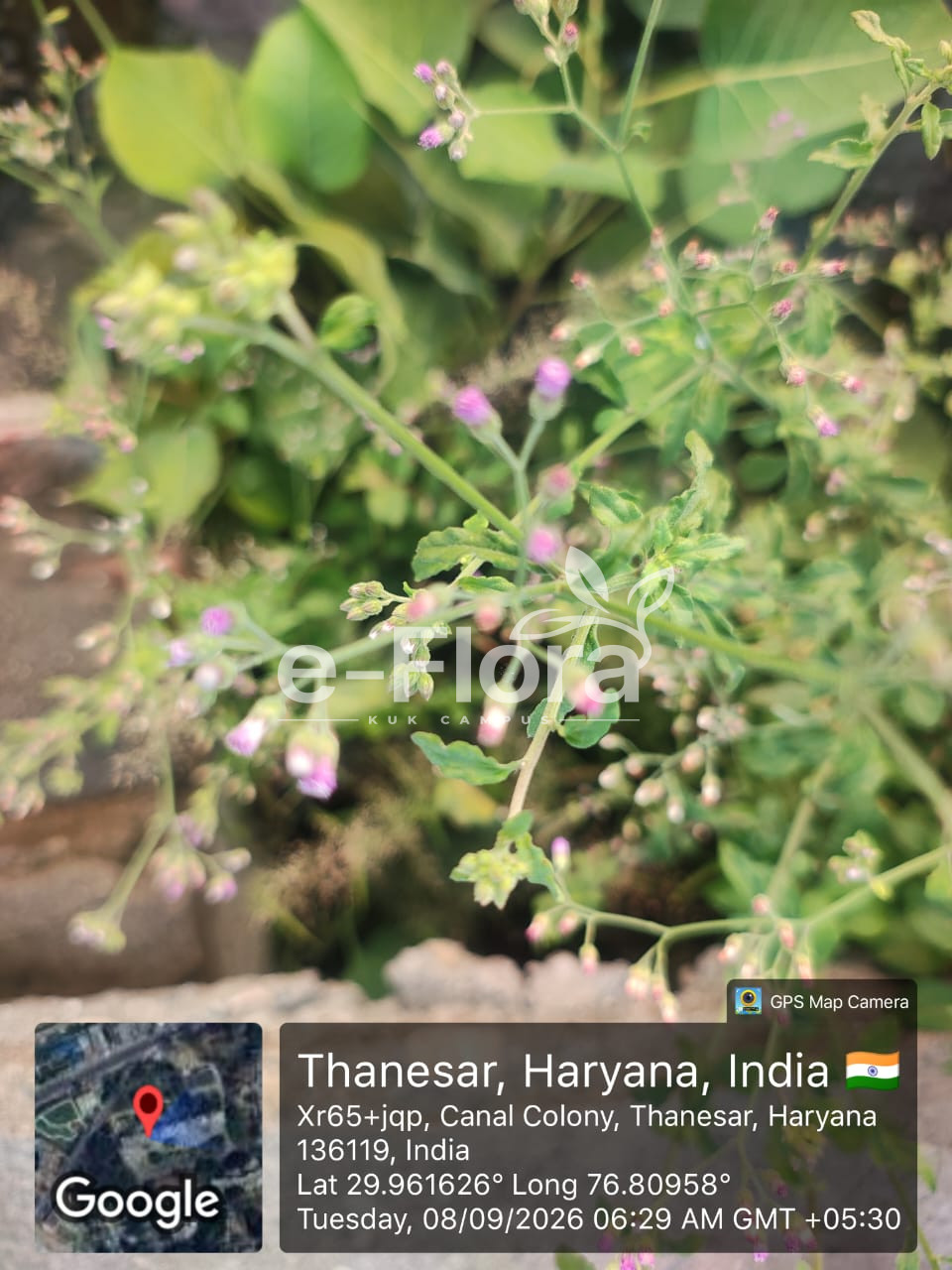
Cyanthillium cinereum (L.) H.Rob.
Vernacular name: Little Ironweed, Purple Fleabane (Hindi: सहदेवी)
Species Name: Cyanthillium cinereum (L.) H.Rob. (syn. Vernonia cinerea (L.) Less.)
Family: Asteraceae
Habit: Annual erect herb.
Stem: Slender, erect, branched, 20–80 cm tall, ribbed, sparsely pubescent.
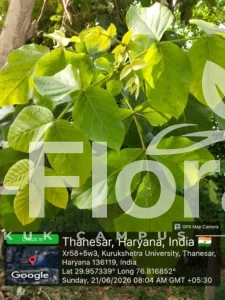
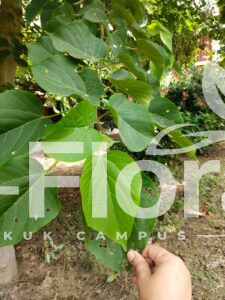
Leaf: Alternate, ovate to lanceolate, 2–8 × 1–4 cm, serrate to entire, shortly petiolate, sparsely hairy.
Flowering: Throughout the year, mainly during the rainy season.
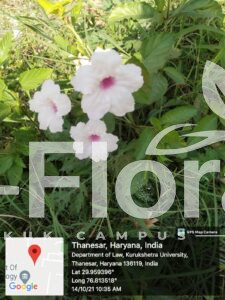
Flowers: Small, pink to lavender or pale purple, arranged in terminal corymbose clusters of capitula; all florets tubular and bisexual; involucre cylindrical; ovary inferior.
Fruit: Ribbed cypsela with a white pappus of fine bristles aiding wind dispersal.
Uses:
- The whole plant is widely used in Ayurveda for fever, wounds, urinary disorders, and inflammation.
- A mixture of seed and leaf paste is used to treat skin ailments like eczema, psoriasis, ringworm and leukoderma.
- Seeds are used against the infestation of roundworms and threadworms.
- Decoctions of various parts helps with coughs, flatulence, colic and dysuria.
- Extracts of leaves and roots are externally applied to manage and treat arthritis, rheumatism, piles and scorpion or snake bites.
- It is especially known as a traditional aid for smoking cessation as herbal infusions reduce cravings and is also used as a diuretic and anthelmintic.
- Plant is found to have anti-inflammatory, antiviral, antioxidant and anticancer properties. Extracts of plant exhibits high reducing power and protect cell from free radical damage.
- It is a very common roadside, agricultural, and wasteland weed throughout Haryana and much of India.
- Seeds are used to extract a fatty oil that has medicinal value.