Vitex negundo L.
Vernacular name: Nirgundi, Five-leaved Chaste Tree (Hindi: निर्गुण्डी)
Species Name: Vitex negundo L.
Family: Lamiaceae
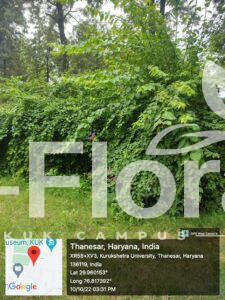
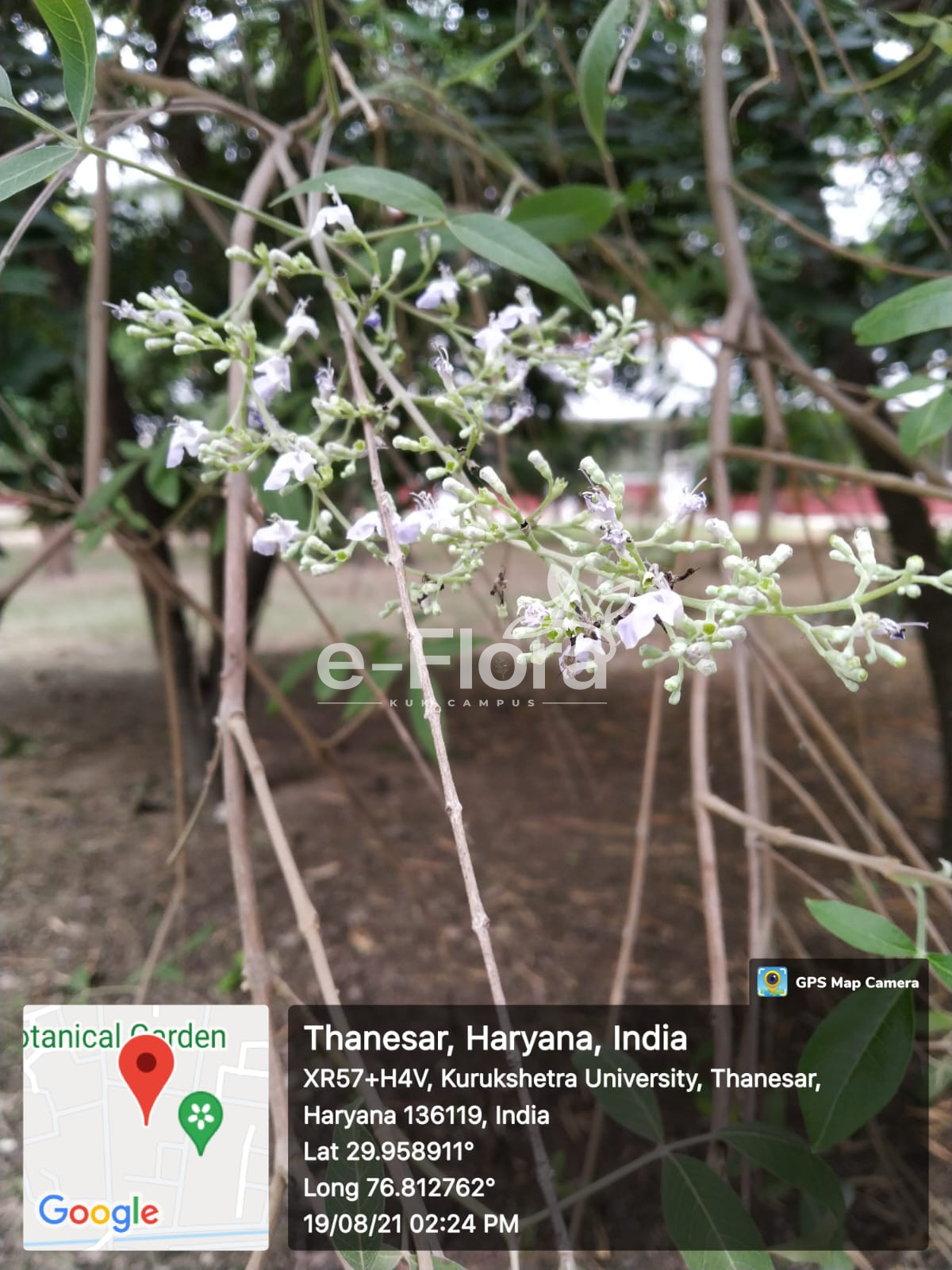
Habit: Large aromatic shrub or small tree.
Stem: Much-branched, quadrangular when young, grey-brown; bark thin, smooth to slightly fissured; branchlets pubescent.
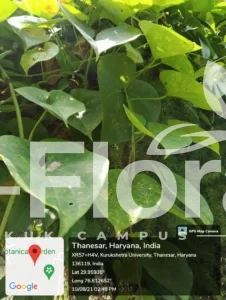
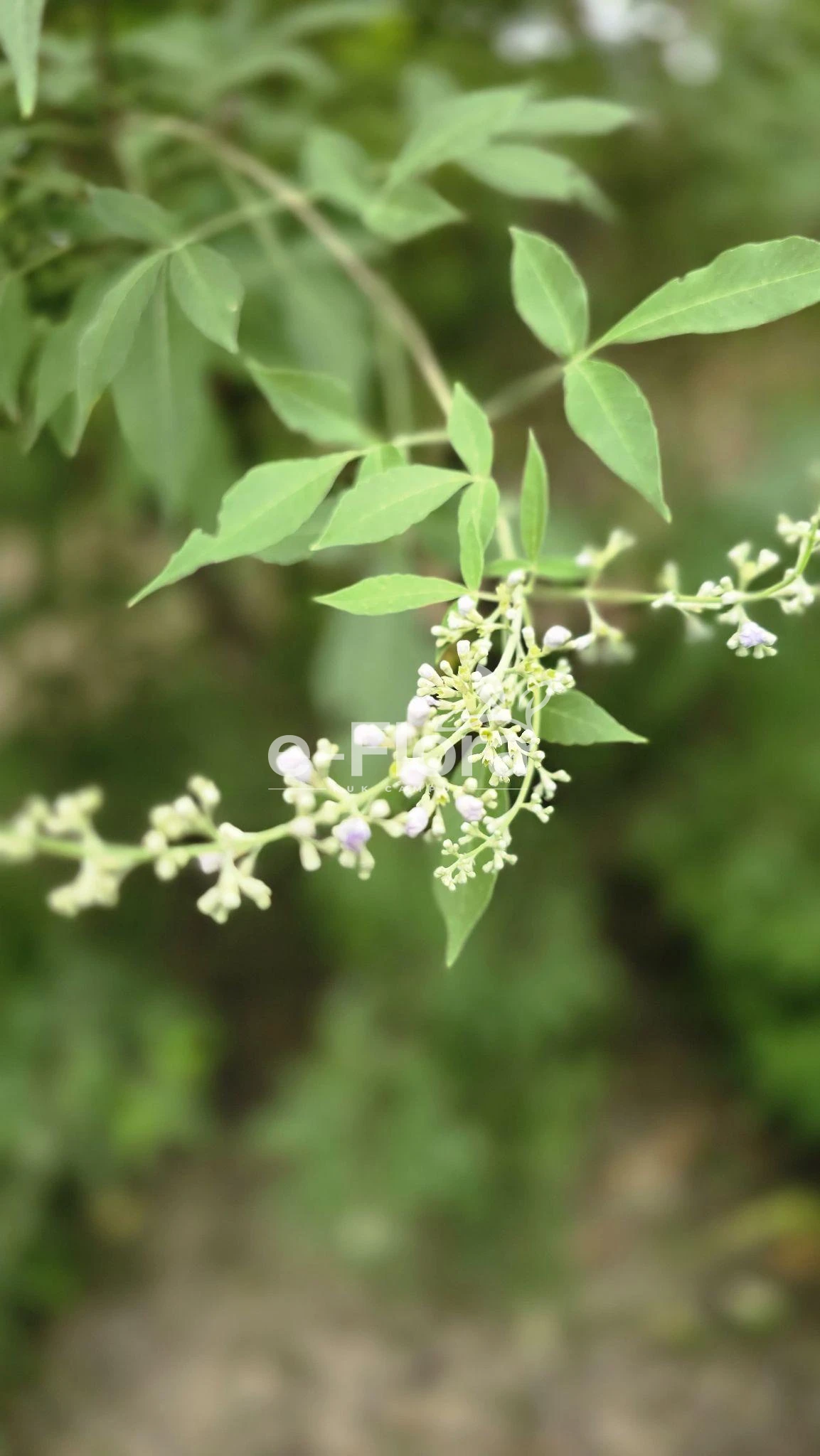
Leaf: Opposite, palmately compound; leaflets usually 3–5 (rarely 7), lanceolate to elliptic-lanceolate, 4–12 × 1–4 cm, entire to serrulate, grey-tomentose beneath, aromatic.
Flowering: Summer–autumn.
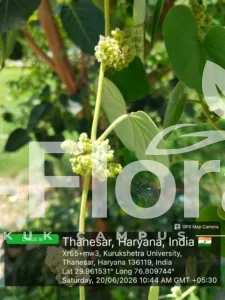
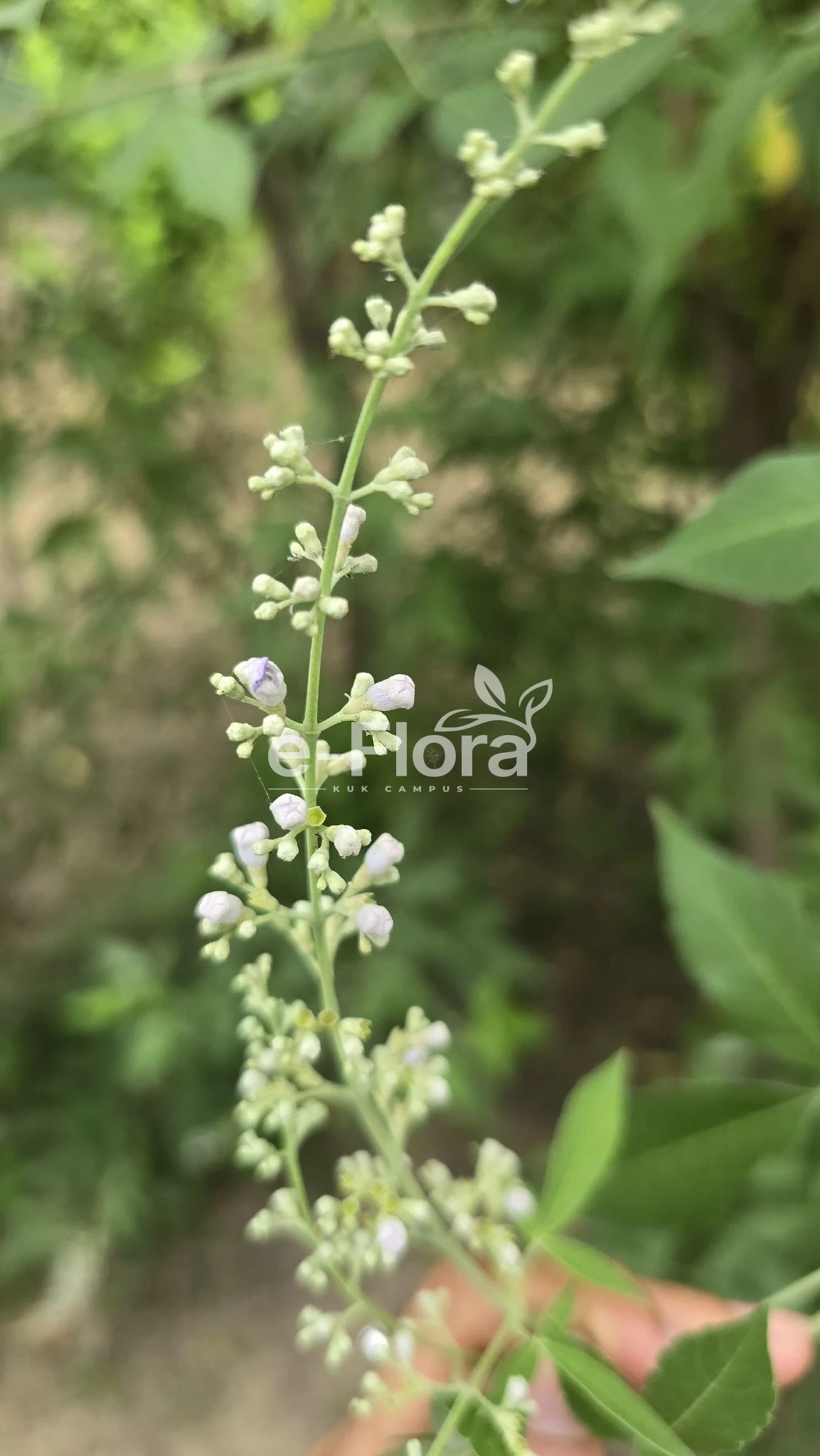
Flowers: Small, bluish-purple to lavender, borne in terminal and axillary panicles; calyx campanulate, 5-toothed; corolla bilabiate, 5-lobed; stamens 4, exserted; ovary superior, bicarpellary.
Fruit: Globose drupe, 3–5 mm diameter, black or purplish-black when ripe, usually 4-seeded.
Uses:
- A highly valued medicinal plant in Ayurveda; leaves, roots, bark, and seeds are used for rheumatism, inflammation, pain, fever, respiratory disorders, and wound healing.
- Leaf extracts or poultice are used to alleviate muscle ache, sciatica, joint swelling and arthritis.
- Traditional remedies use this plant for anti-asthmatic and expectorant properties that helps in the treatment of bronchitis, cough, asthma and promote respiratory health.
- Extracts have antifungal and antibacterial properties making plant useful in treatment of eczema, dandruff and ulcers.
- Plant acts as carminative and anthelmintic, aiding digestion and expelling intestinal worms.
- Plant is used in managing menstrual cycle and cramps (dysmenorrhea).
- Parts of plant has anxiolytic property and is used as brain tonic in herbal remedies to help with headache and relieve stress and anxiety.
- Leaves are commonly used as an insect repellent and stored with grains to deter pests.
- The shrub is also planted as a hedge and for soil conservation.