Phyllanthus emblica L.
Vernacular name: Indian gooseberry, Amla (Hindi: आंवला)
Species Name: Phyllanthus emblica L.
Family: Phyllanthaceae
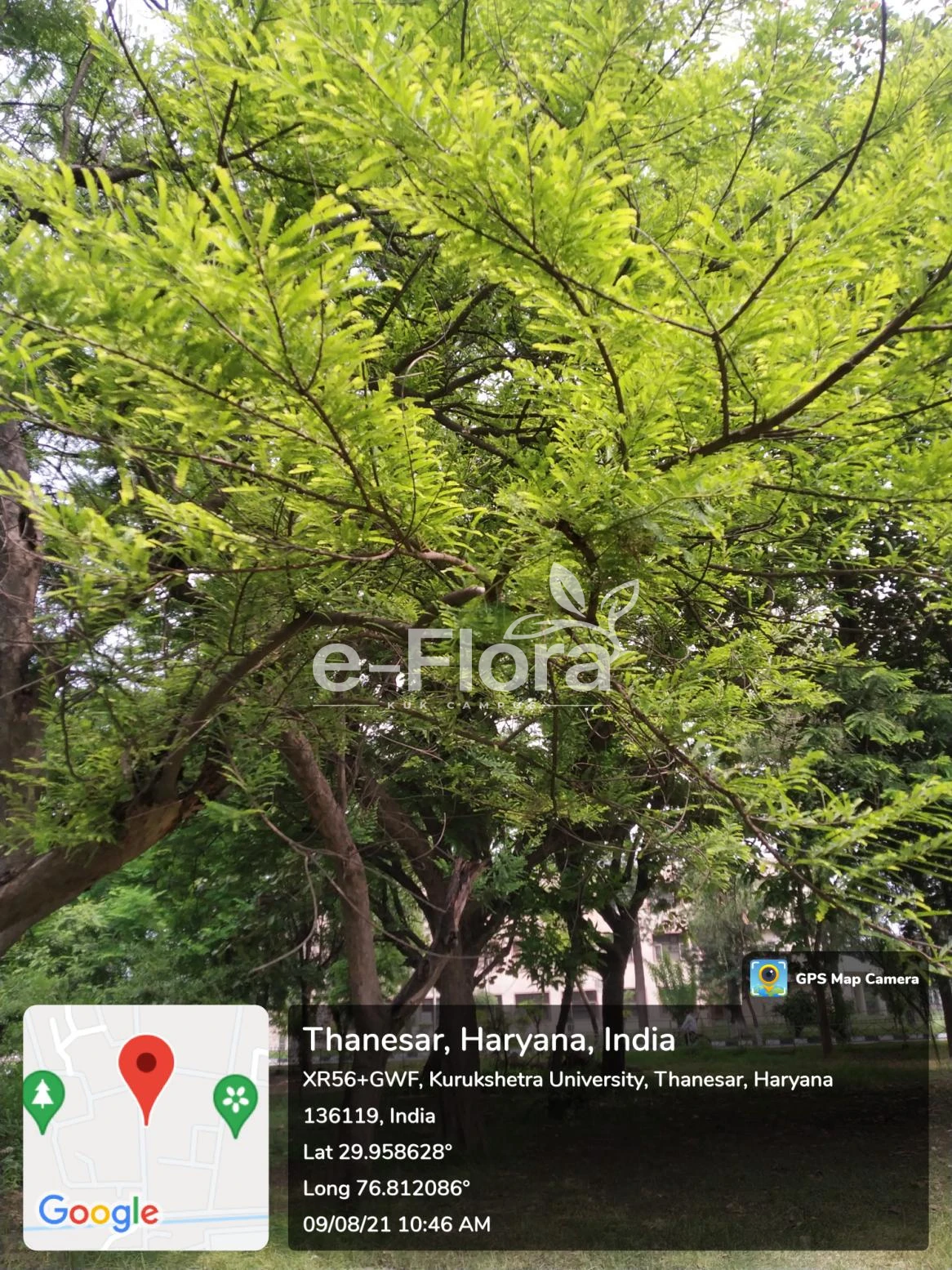
Habit: Deciduous small tree
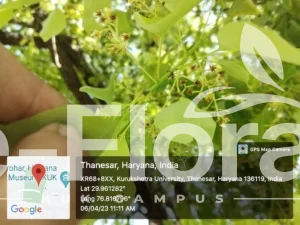
Stem: Mottled grey bark 5-18 m tall, branchlets finely pubescent.
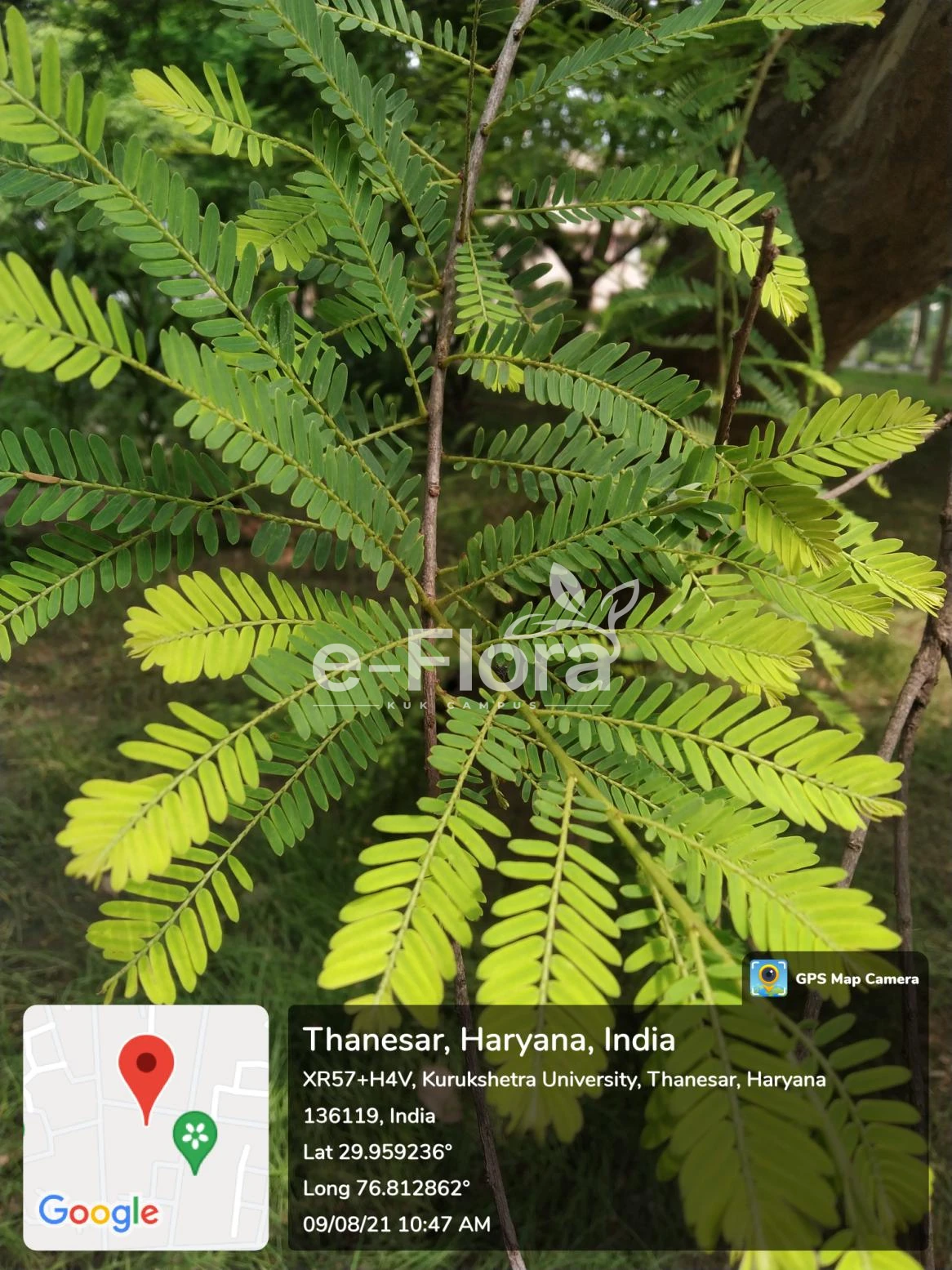
Leaf: Simple subsessile light green 1-1.5×0.6-1 cm, closely set in pinnate-like arrangement.
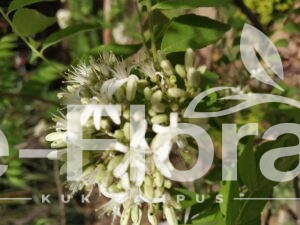
Flowering: Monsoon season
Flowers: Axillary umbellate racemes greenish-yellow; calyx 6 sepals, 6 petals absent, 3 stamens (anthers inflexed), 3-carpellary ovary superior.
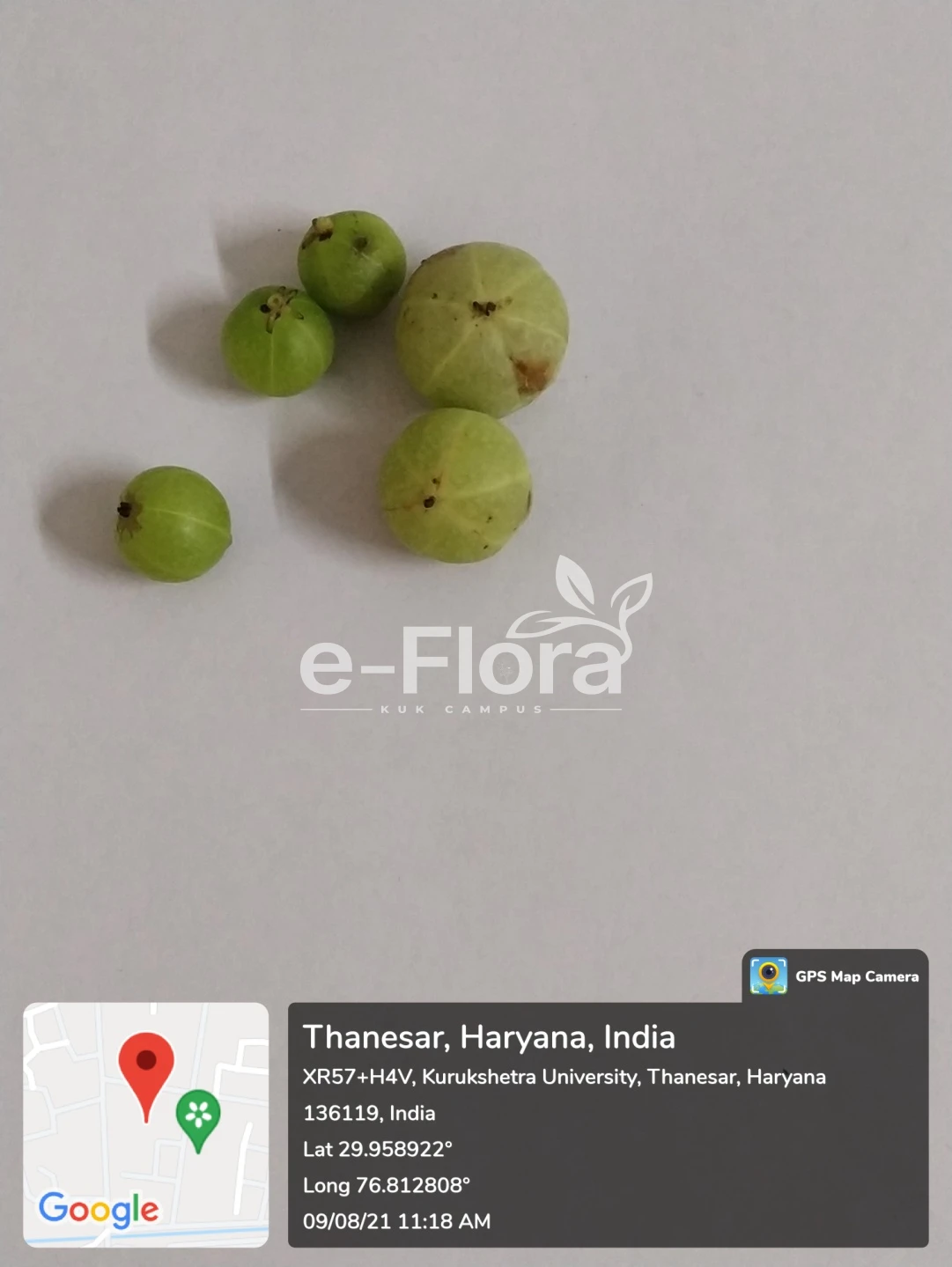
Fruit: Globose drupe 1.5-2.5 cm diameter, light greenish-yellow with 6 vertical stripes, hard smooth, extremely sour, 6 hard nutlets.
Uses:
- Fruits is richest natural vitamin C source, can be eaten raw or as pickle, muraba and candies (regional). Ayurveda used fruit to prepare Chyawanprash, Triphala, hair tonic and hair oils.
- Bark and fruit have antioxidant, antidiabetic, rejuvenative (Rasayana) and heptoprotective properties.
- Routine consumption of fruit help to manage cholesterol (LDL and triglycerides), improve haemoglobin level and boost immunity.
- Fruit extracts can help with acid reflux.
- Amala juice can help to relieve from increased body heat, burning sensation in body and gastric and digestive issues and manage blood sugar levels. It can be very effective after or during radiotherapy (cancer) to ease the side effects.
- Amala is used to treat acne and pigmentations in herbal and folk remedies.
- Powder of fruit helps with insomnia, chronic cough, scalp health and poor eyesight.
- Its role in cancer treatment is under studies.
- It is sacred to Vishnu; and known as “sarvadoshahara” (all-disease destroyer).